
-
 Become an influential brand in the world industry!
The company was established in 2008 and is located in Botou, Hebei, a famous casting city in China. -
Products
We continue to develop and create high quality but affordable products
The company is divided into two major factory areas in the north and south. -
Push forward without end
Products are widely used in industrial and civil buildings, such as factories, warehouses, gymnasiums, exhibition halls and other houses and walls. The company has a high starting point and an early start in the products of tile pressing forming and high-altitude tile pressing forming operation platform.
language
Unlocking Efficiency: The Benefits of a Profile Roll Forming Machine
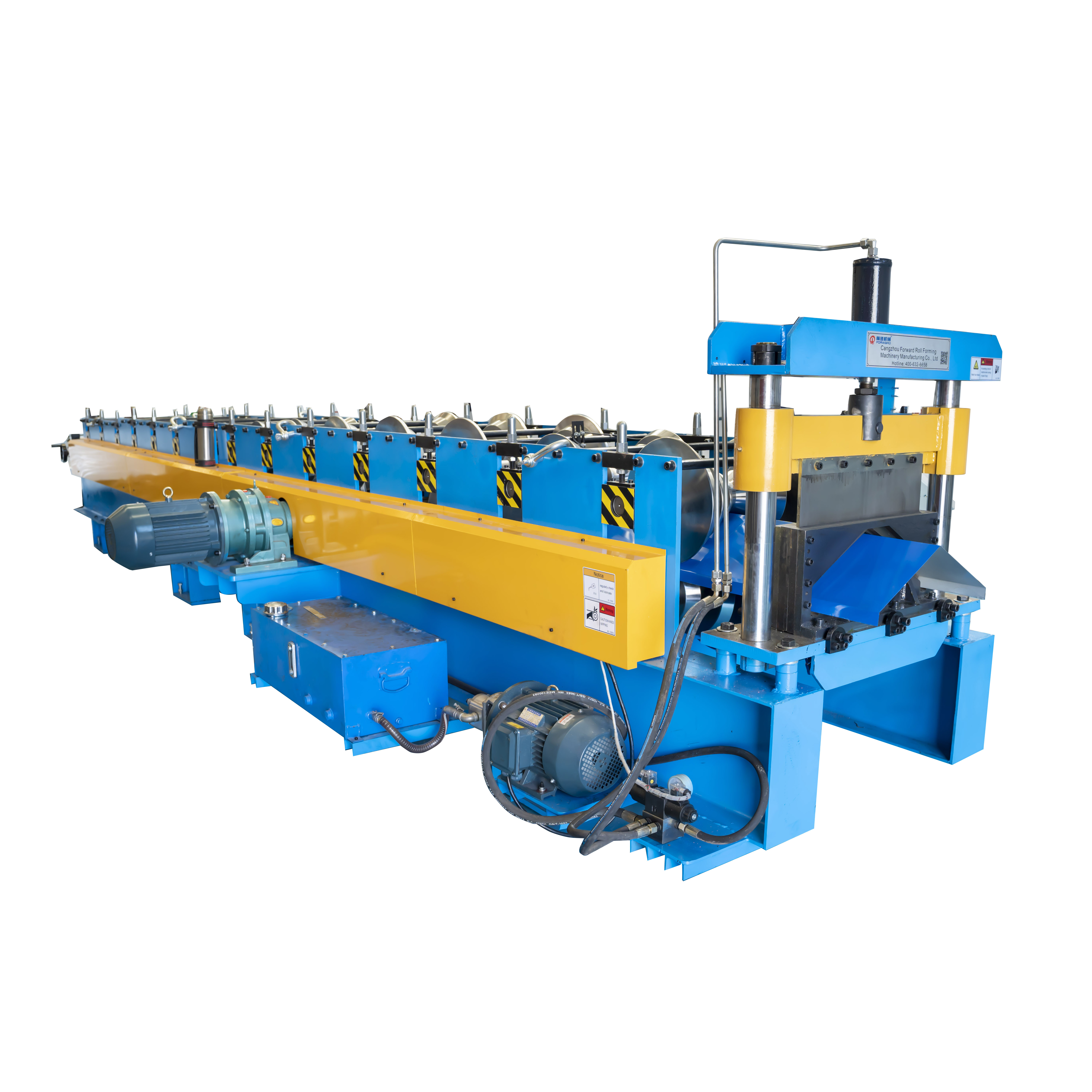
Unlocking Efficiency: The Benefits of a Profile Roll Forming Machine
Table of Contents
- 1. Introduction to Profile Roll Forming Machines
- 2. What is Profile Roll Forming?
- 3. How Does a Profile Roll Forming Machine Work?
- 4. Key Benefits of Using a Profile Roll Forming Machine
- 4.1 Enhanced Efficiency in Production
- 4.2 Superior Precision and Accuracy
- 4.3 Cost-Effectiveness and Waste Reduction
- 4.4 Versatility in Design and Applications
- 4.5 Contribution to Sustainable Manufacturing
- 5. Applications of Profile Roll Forming Machines
- 6. How to Choose the Right Profile Roll Forming Machine
- 7. Maintenance Tips for Longevity
- 8. Frequently Asked Questions
- 9. Conclusion
1. Introduction to Profile Roll Forming Machines
In the ever-evolving landscape of manufacturing technology, the **profile roll forming machine** stands out as a revolutionary tool that enhances operational efficiency. This machinery has become integral in various sectors due to its ability to produce high-quality metal profiles with minimal waste. Understanding the multitude of advantages that this equipment offers is essential for businesses aiming to improve productivity and cut costs.
2. What is Profile Roll Forming?
Profile roll forming is a continuous process where metal sheets are gradually shaped into desired profiles through a series of rollers. Unlike traditional sheet metal fabrication methods, which often require numerous cutting or welding procedures, roll forming seamlessly transforms flat metal strips into complex shapes. This technique is widely used for creating products such as sections for roofs, walls, and various structural components.
3. How Does a Profile Roll Forming Machine Work?
The operation of a profile roll forming machine can be broken down into several key steps:
1. **Material Feed**: The process begins with feeding flat metal strips into the machine.
2. **Roller Stations**: The material passes through a series of roller stations, each designed to incrementally bend the metal into the desired profile.
3. **Cutting**: Once the profile reaches the correct length, it is cut to size using a shear blade.
4. **Finishing**: The final product is often treated with processes such as painting or coating for enhanced durability and aesthetic appeal.
This systematic approach allows for continuous production, minimizing downtime and maximizing output.
4. Key Benefits of Using a Profile Roll Forming Machine
4.1 Enhanced Efficiency in Production
One of the standout advantages of employing a profile roll forming machine is its **enhanced efficiency in production**. This machinery can run for extended periods without interruption, generating thousands of units daily. The continuous nature of the process eliminates the need for batch production, reducing cycle times significantly.
4.2 Superior Precision and Accuracy
Precision is paramount in manufacturing, and a profile roll forming machine delivers this with exceptional accuracy. The equipment is engineered to maintain tight tolerances, ensuring that each profile meets exact specifications. This high level of precision minimizes the need for rework and waste, contributing to a more efficient production process.
4.3 Cost-Effectiveness and Waste Reduction
Investing in a profile roll forming machine can lead to **substantial cost savings** over time. The efficiency of the machine reduces labor costs, while the precision minimizes material waste. Additionally, the longevity of the machine means that businesses can amortize their investment over many years, resulting in a lower total cost of ownership.
4.4 Versatility in Design and Applications
Profile roll forming machines are highly versatile, capable of producing a wide variety of profiles suited to different applications. This adaptability means that manufacturers can respond swiftly to market demands, making adjustments to designs without significant downtime or investment.
4.5 Contribution to Sustainable Manufacturing
With growing emphasis on sustainability, profile roll forming machines offer a pathway for greener manufacturing practices. The reduction of waste and energy consumption during production not only benefits the environment but also enhances a company’s reputation as a responsible manufacturer.
5. Applications of Profile Roll Forming Machines
Profile roll forming machines find applications across various industries, including:
- **Construction**: Used for roof and wall panels, structural components, and metal framing.
- **Automotive**: Essential for creating components such as trims, chassis, and structural parts.
- **HVAC**: Employed to manufacture ductwork and fittings vital for heating and cooling systems.
- **Furniture**: Ideal for producing metal frames and decorative elements.
The diverse range of applications underscores the machine's importance in modern manufacturing.
6. How to Choose the Right Profile Roll Forming Machine
Selecting the appropriate profile roll forming machine involves several considerations:
1. **Material Type**: Evaluate the types of metals you will be working with.
2. **Profile Complexity**: Understand the complexity of the profiles you intend to produce.
3. **Production Volume**: Consider the required output and cycle time.
4. **Space and Budget**: Assess the machine's footprint and budget constraints.
By carefully considering these factors, manufacturers can choose a machine that aligns with their specific needs.
7. Maintenance Tips for Longevity
To ensure the longevity and optimal performance of a profile roll forming machine, regular maintenance is crucial. Here are some essential maintenance tips:
- **Regular Lubrication**: Keep all moving parts adequately lubricated to reduce friction and wear.
- **Frequent Inspections**: Conduct routine inspections to identify and address any potential issues.
- **Cleaning**: Maintain cleanliness around the machine to prevent dust and debris from causing malfunctions.
- **Training**: Ensure that operators are well-trained to handle the machine correctly, minimizing the risk of operator error.
Implementing these maintenance practices can extend the life of the machine and enhance its performance.
8. Frequently Asked Questions
1. What industries use profile roll forming machines?
Profile roll forming machines are used across various industries, including construction, automotive, HVAC, and furniture.
2. What types of materials can be processed?
These machines can process a variety of materials, including steel, aluminum, and other metals.
3. How much maintenance do profile roll forming machines require?
Regular maintenance, including lubrication, inspections, and cleaning, is essential for optimal performance.
4. Can profile roll forming machines produce custom profiles?
Yes, these machines are highly versatile and can produce custom profiles tailored to specific requirements.
5. What is the average lifespan of a profile roll forming machine?
With proper maintenance, a profile roll forming machine can last many years, often exceeding a decade of reliable service.
9. Conclusion
In conclusion, the **profile roll forming machine** represents a significant advancement in manufacturing technology, offering numerous benefits such as increased efficiency, precision, cost-effectiveness, and versatility. Its ability to adapt to various applications makes it an invaluable asset in today's competitive market. By investing in this machinery, manufacturers can streamline their production processes, reduce waste, and contribute to sustainable practices, ultimately positioning themselves for success in the future. Embracing the capabilities of profile roll forming technology is a strategic move towards operational excellence and business growth.
Key words:
recommend News
Share
Cangzhou Forward Roll Forming Machinery Manufacturing
Telephone: +86 0317 8308862
Mobile: +86 187 3373 6699
E-mail:info@rollformingmills.com
Skype:james521520
Address: China Hebei Cangzhou Botou City 104 National Road East
Website QR Code

Business License