-
 Become an influential brand in the world industry!
The company was established in 2008 and is located in Botou, Hebei, a famous casting city in China. -
Products
We continue to develop and create high quality but affordable products
The company is divided into two major factory areas in the north and south. -
Push forward without end
Products are widely used in industrial and civil buildings, such as factories, warehouses, gymnasiums, exhibition halls and other houses and walls. The company has a high starting point and an early start in the products of tile pressing forming and high-altitude tile pressing forming operation platform.
Unlocking Efficiency: The Advantages of Steel Frame Roll Forming Machines
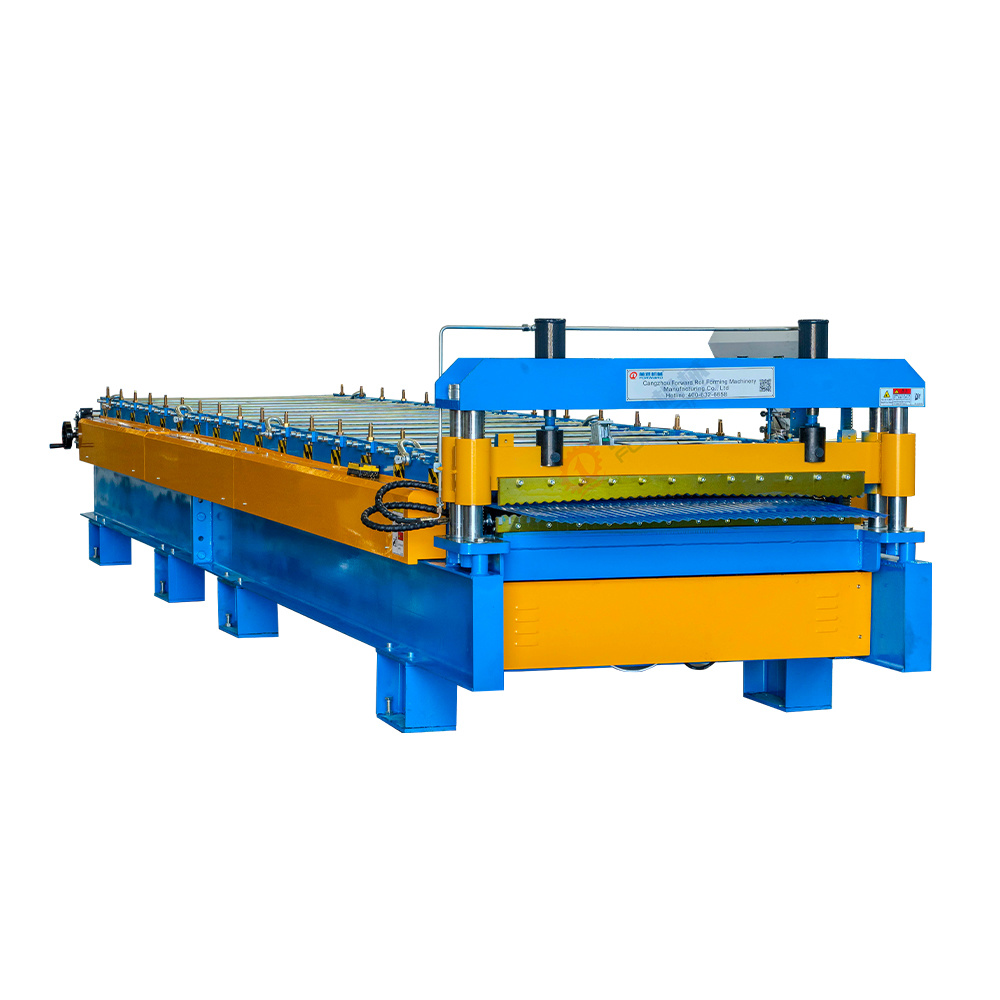
Unlocking Efficiency: The Advantages of Steel Frame Roll Forming Machines
Table of Contents
1. Introduction to Steel Frame Roll Forming Machines
2. How Steel Frame Roll Forming Machines Work
3. Key Advantages of Using Steel Frame Roll Forming Machines
3.1 Enhanced Production Efficiency
3.2 Superior Precision and Consistency
3.3 Cost-Effectiveness and Material Savings
3.4 Versatility in Applications
4. Comparing Steel Frame Roll Forming Machines to Traditional Methods
5. Industries Benefiting from Steel Frame Roll Forming Machines
6. Maintenance Tips for Optimal Performance
7. Future Trends in Roll Forming Technology
8. Frequently Asked Questions (FAQs)
9. Conclusion
1. Introduction to Steel Frame Roll Forming Machines
Steel frame roll forming machines have revolutionized the manufacturing industry by providing a highly efficient and precise method of producing steel components. These machines are designed to transform flat steel sheets into various profiles, which can then be utilized in a multitude of applications ranging from construction to automotive manufacturing. Understanding these machines is essential for any business aiming to enhance productivity and maintain a competitive edge in the market.
2. How Steel Frame Roll Forming Machines Work
The operation of steel frame roll forming machines revolves around a series of rollers that shape the steel into specific profiles. Initially, the flat steel sheet is fed into the machine, where it undergoes a series of progressive shaping processes. Each roller in the sequence gradually bends and forms the material until it reaches the desired shape. This process not only ensures uniformity in the products but also significantly reduces waste and production time.
3. Key Advantages of Using Steel Frame Roll Forming Machines
Incorporating steel frame roll forming machines into manufacturing processes presents numerous advantages:
3.1 Enhanced Production Efficiency
One of the most significant benefits of steel frame roll forming machines is their ability to increase production efficiency. Unlike traditional manufacturing methods that may involve extensive manual labor and multiple processes, roll forming machines automate the majority of the shaping work. This automation allows for faster production rates, enabling manufacturers to meet high demand without compromising quality.
3.2 Superior Precision and Consistency
Precision is paramount in manufacturing, and steel frame roll forming machines excel in delivering consistent results. The automated nature of the machines minimizes human error, ensuring that each component produced meets strict specifications. This level of precision not only enhances product quality but also reduces the need for rework, ultimately saving time and resources.
3.3 Cost-Effectiveness and Material Savings
Investing in steel frame roll forming machines can lead to significant cost savings for manufacturers. By optimizing the use of materials and reducing scrap, these machines can facilitate a more economical production process. Additionally, the efficiency gains achieved through automation contribute to lower labor costs and faster turnaround times, further enhancing financial performance.
3.4 Versatility in Applications
Steel frame roll forming machines are versatile and can be tailored to produce various profiles, including C-sections, Z-sections, and U-channels. This adaptability allows manufacturers to cater to a wide range of industries, including construction, automotive, and appliance manufacturing. The ability to quickly switch between different profiles makes these machines invaluable for businesses looking to diversify their product offerings.
4. Comparing Steel Frame Roll Forming Machines to Traditional Methods
When comparing steel frame roll forming machines to traditional manufacturing methods, the advantages become clear. Traditional methods often involve cutting, welding, and assembling individual components, which can be time-consuming and labor-intensive. In contrast, roll forming provides a continuous process that minimizes handling and assembly time. Additionally, the quality of products produced through roll forming is often superior due to the controlled environment and precise shaping capabilities.
5. Industries Benefiting from Steel Frame Roll Forming Machines
Numerous industries benefit from the use of steel frame roll forming machines. The construction industry, for instance, relies heavily on these machines to produce structural components such as steel studs and tracks. The automotive sector utilizes roll forming for manufacturing parts like chassis components and roof rails. Other industries, such as HVAC and appliance manufacturing, also leverage the versatility and efficiency of roll forming technology to enhance their production processes.
6. Maintenance Tips for Optimal Performance
To ensure the longevity and efficiency of steel frame roll forming machines, regular maintenance is essential. Here are some tips:
- **Routine Inspections**: Regularly check for wear and tear on rollers and other components.
- **Lubrication**: Keep moving parts well-lubricated to minimize friction and prevent damage.
- **Cleaning**: Maintain a clean working environment to prevent dust and debris from affecting machine performance.
- **Calibration**: Periodically calibrate the machine to ensure it continues to produce components to specifications.
7. Future Trends in Roll Forming Technology
As technology continues to advance, the future of steel frame roll forming machines looks promising. Innovations such as Industry 4.0 integration, which incorporates IoT technology for real-time monitoring and data analysis, will allow for even greater efficiency and production flexibility. Furthermore, advancements in automation and artificial intelligence may lead to machines that can self-diagnose issues and optimize production processes automatically.
8. Frequently Asked Questions (FAQs)
What materials can be used with steel frame roll forming machines?
Steel frame roll forming machines primarily work with steel, but they can also accommodate other metals, such as aluminum and stainless steel, depending on the machine's specifications.
How do I choose the right roll forming machine for my business?
Choosing the right machine depends on several factors, including the types of profiles you need to produce, your production volume, and budget constraints. Consulting with a manufacturing expert can help guide your decision.
What is the average lifespan of a steel frame roll forming machine?
With proper maintenance, steel frame roll forming machines can last for many years—often exceeding 20 years of operational use.
Can steel frame roll forming machines be customized?
Yes, many manufacturers offer customization options for roll forming machines to meet specific production needs and profile requirements.
Are there training programs available for operating roll forming machines?
Yes, many suppliers provide training programs for operators to ensure they are fully equipped to use the machines safely and effectively.
9. Conclusion
Steel frame roll forming machines represent a significant advancement in manufacturing technology. By enhancing production efficiency, ensuring precision, and providing versatility, these machines unlock new levels of productivity for businesses. As industries continue to evolve, the adoption of steel frame roll forming machines will likely expand, driving innovation and improving manufacturing processes across various sectors. Investing in this technology today can position businesses for success in the competitive landscape of tomorrow.
Share
Cangzhou Forward Roll Forming Machinery Manufacturing
Telephone: +86 0317 8308862
Mobile: +86 15350786786
WhatsApp:+86 19333087068
E-mail:qianjinfac@gmail.com
Address: China Hebei Cangzhou Botou City 104 National Road East
Website QR Code