-
 Become an influential brand in the world industry!
The company was established in 2008 and is located in Botou, Hebei, a famous casting city in China. -
Products
We continue to develop and create high quality but affordable products
The company is divided into two major factory areas in the north and south. -
Push forward without end
Products are widely used in industrial and civil buildings, such as factories, warehouses, gymnasiums, exhibition halls and other houses and walls. The company has a high starting point and an early start in the products of tile pressing forming and high-altitude tile pressing forming operation platform.
How a Steel Frame Roll Forming Machine Revolutionizes Manufacturing Processes
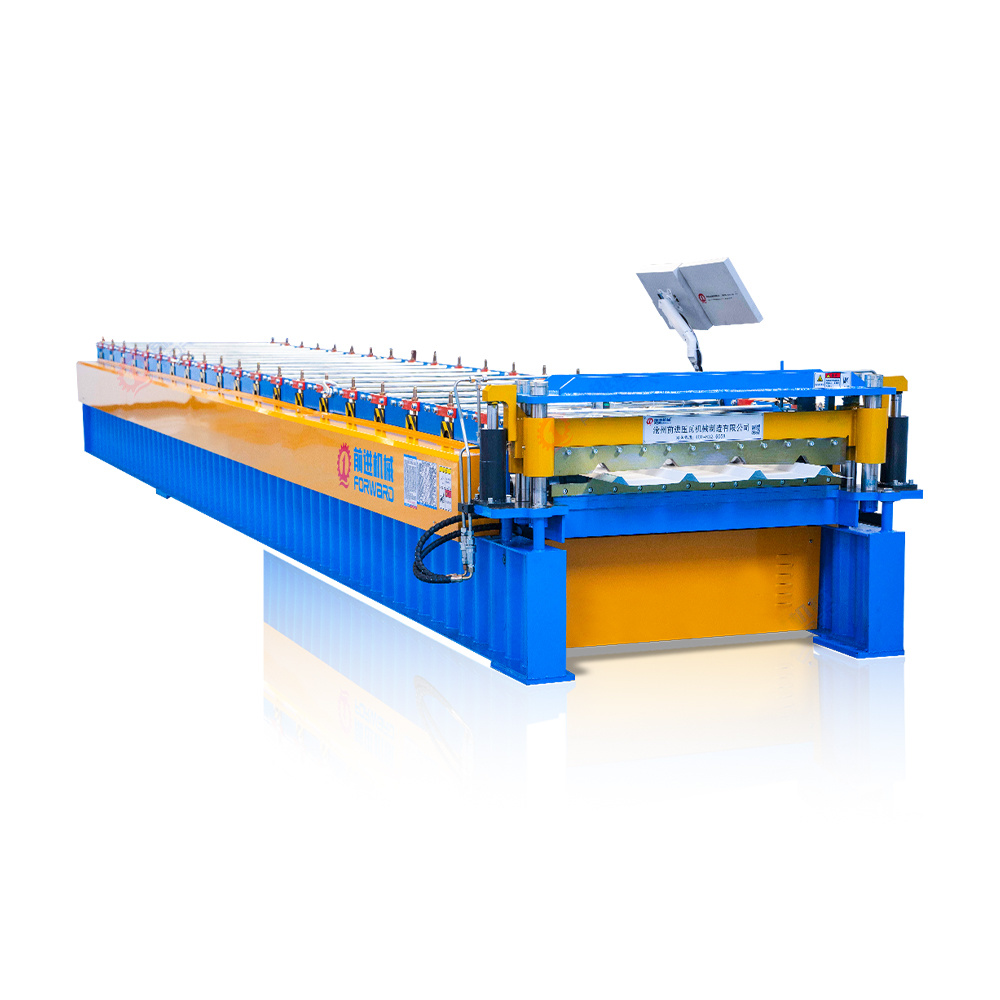
How a Steel Frame Roll Forming Machine Revolutionizes Manufacturing Processes
Table of Contents
- 1. Introduction to Steel Frame Roll Forming Machines
- 2. What is Roll Forming?
- 3. Benefits of Using a Steel Frame Roll Forming Machine
- 4. Applications of Steel Frame Roll Forming Machines
- 5. The Role of Automation in Roll Forming Processes
- 6. Addressing Challenges in Manufacturing with Roll Forming
- 7. The Future of Roll Forming Technology
- 8. Conclusion
- 9. Frequently Asked Questions
1. Introduction to Steel Frame Roll Forming Machines
The evolution of manufacturing processes has led to the development of more efficient and precise machinery. One such innovation is the **steel frame roll forming machine**. These machines play a crucial role in producing steel components used across various industries, from construction to automotive. As manufacturing demands evolve, understanding how these machines transform processes is essential for businesses aiming to enhance productivity and reduce costs.
2. What is Roll Forming?
**Roll forming** is a continuous bending operation that shapes metal into desired profiles by passing it through a series of contoured rollers. This process starts with a flat strip of steel, which is gradually formed into various shapes, including channels, angles, and frames. Unlike traditional metal forming methods, roll forming is particularly advantageous for producing long lengths of uniform components, making it ideal for mass production.
How Roll Forming Works
The roll forming machine consists of several key components:
- **Feed Mechanism**: Initiates the process by feeding the metal strip into the machine.
- **Rollers**: Configured in a specific sequence, these are the heart of the machine, shaping the material as it passes through.
- **Cutting Mechanism**: Once the desired length is achieved, the cutting mechanism slices the formed material.
Each part of the machine works in synergy to ensure a seamless manufacturing process.
3. Benefits of Using a Steel Frame Roll Forming Machine
Implementing a **steel frame roll forming machine** in manufacturing offers numerous advantages:
Efficiency and Speed
The automated nature of roll forming machines allows for high-speed production. This means that businesses can produce large volumes of steel frames quickly, significantly reducing lead times.
Cost-Effectiveness
By minimizing material waste and labor costs, roll forming provides a cost-effective solution for manufacturers. The process allows for precise cuts and shapes, reducing the need for secondary operations.
Consistency and Precision
One of the standout features of roll forming machines is their ability to produce consistent and precise components. This uniformity is crucial in industries such as construction, where structural integrity is paramount.
Versatility in Design
Steel frame roll forming machines can create a wide variety of shapes and profiles, catering to diverse design requirements. This flexibility allows manufacturers to adapt to changing market needs without investing in multiple machines.
4. Applications of Steel Frame Roll Forming Machines
Steel frame roll forming machines are utilized across various sectors, enhancing their production capabilities significantly.
Construction Industry
In the construction industry, these machines are used to manufacture steel frames, structural components, and roofing materials. The lightweight yet sturdy frames produced are essential for modern building practices.
Automotive Sector
The automotive industry relies on roll forming for producing parts such as chassis components, brackets, and reinforcements. The precision of roll forming ensures that these parts meet the strict safety standards required in vehicle manufacturing.
HVAC Manufacturing
Roll formed components are also critical in HVAC systems, where ducts and frames must be both lightweight and durable. The ability to create custom profiles allows manufacturers to cater to specific system requirements.
5. The Role of Automation in Roll Forming Processes
As industries embrace the Internet of Things (IoT) and Industry 4.0, the role of automation in roll forming becomes increasingly prominent. Automated steel frame roll forming machines not only enhance efficiency but also incorporate advanced technologies that monitor and optimize production.
Smart Manufacturing Technologies
Integrating smart technologies allows manufacturers to track performance metrics, ensuring optimal machine operation. Sensors can detect anomalies, alerting operators to potential issues before they escalate, thus reducing downtime.
Robotics and AI Integration
The integration of robotics and artificial intelligence in roll forming processes improves precision and consistency. AI algorithms can analyze production data in real-time, enabling manufacturers to adjust parameters for optimal output.
6. Addressing Challenges in Manufacturing with Roll Forming
While steel frame roll forming machines offer significant benefits, challenges remain. Addressing these challenges is crucial for maximizing the potential of these machines.
Material Limitations
Different steel grades have varying characteristics, which can affect the roll forming process. Understanding these limitations and selecting the appropriate materials is essential for successful production.
Machine Maintenance
Regular maintenance of roll forming machines is critical to ensure long-term functionality. Neglecting maintenance can lead to decreased efficiency and increased operational costs.
Training and Skill Development
As technology advances, the need for skilled operators increases. Investing in training programs ensures that personnel can effectively operate and troubleshoot roll forming machines.
7. The Future of Roll Forming Technology
The future of roll forming technology looks promising, with advancements expected to drive innovation further.
Increased Customization
As manufacturing becomes more tailored to specific customer needs, roll forming machines will evolve to offer more customization options. This trend will allow for the production of unique components without sacrificing efficiency.
Sustainability Initiatives
With growing emphasis on sustainability, manufacturers are exploring eco-friendly materials and processes. Roll forming, known for its minimal waste generation, aligns well with eco-conscious manufacturing practices.
Integration with Other Manufacturing Processes
The trend towards integrated manufacturing solutions will likely see roll forming machines working in tandem with other processes, such as laser cutting and welding, to create comprehensive manufacturing systems.
8. Conclusion
The **steel frame roll forming machine** is a transformative force in the manufacturing industry. By enhancing efficiency, precision, and versatility, these machines meet the evolving demands of various sectors. As we look to the future, the continued integration of advanced technologies and sustainable practices will further solidify their role in modern manufacturing.
9. Frequently Asked Questions
What materials can be used in a steel frame roll forming machine?
Steel frame roll forming machines typically use cold-rolled steel, hot-rolled steel, and galvanized steel. The choice of material depends on the specific application and desired properties.
How does roll forming compare to other metal forming processes?
Compared to methods like stamping or bending, roll forming offers improved efficiency, reduced material waste, and the ability to produce longer lengths of uniform components.
What industries benefit the most from roll forming technology?
Industries such as construction, automotive, and HVAC manufacturing are among the primary beneficiaries of roll forming technology due to the need for precise, durable components.
Can roll forming machines be customized for specific applications?
Yes, roll forming machines can be customized to create specific shapes and profiles, allowing manufacturers to adapt to unique design requirements.
What maintenance is required for steel frame roll forming machines?
Regular maintenance includes lubrication of moving parts, inspection for wear and tear, and alignment checks to ensure optimal performance and longevity of the machine.
Share
Cangzhou Forward Roll Forming Machinery Manufacturing
Telephone: +86 0317 8308862
Mobile: +86 15350786786
WhatsApp:+86 19333087068
E-mail:qianjinfac@gmail.com
Address: China Hebei Cangzhou Botou City 104 National Road East
Website QR Code