-
 Become an influential brand in the world industry!
The company was established in 2008 and is located in Botou, Hebei, a famous casting city in China. -
Products
We continue to develop and create high quality but affordable products
The company is divided into two major factory areas in the north and south. -
Push forward without end
Products are widely used in industrial and civil buildings, such as factories, warehouses, gymnasiums, exhibition halls and other houses and walls. The company has a high starting point and an early start in the products of tile pressing forming and high-altitude tile pressing forming operation platform.
Unlocking Efficiency: The Benefits of Using an Automatic Roll Forming Machine
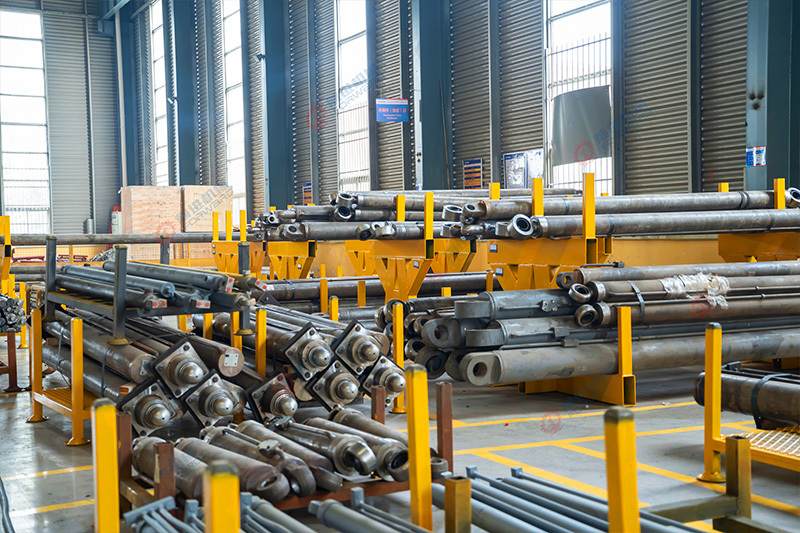
Unlocking Efficiency: The Benefits of Using an Automatic Roll Forming Machine
Table of Contents
1. Introduction to Automatic Roll Forming Machines
2. How Automatic Roll Forming Machines Work
3. Key Advantages of Automatic Roll Forming Machines
3.1 Enhanced Precision and Consistency
3.2 Increased Production Speed
3.3 Cost Efficiency
3.4 Versatility in Design
3.5 Reduced Labor Requirements
4. Industries Benefiting from Automatic Roll Forming Machines
5. Factors to Consider Before Investing
5.1 Initial Investment and Budgeting
5.2 Space and Layout Considerations
6. Maintenance and Upkeep of Automatic Roll Forming Machines
7. Frequently Asked Questions (FAQs)
8. Conclusion
1. Introduction to Automatic Roll Forming Machines
In today’s fast-paced manufacturing environment, efficiency is paramount. **Automatic roll forming machines** have emerged as a game-changing technology that significantly enhances production capabilities. These machines shape metal sheets into various profiles used across multiple industries, including construction, automotive, and appliance manufacturing. The evolution from traditional manual processes to automated systems has unlocked new levels of efficiency, precision, and cost savings.
2. How Automatic Roll Forming Machines Work
Automatic roll forming machines operate by feeding metal sheets through a series of rollers, which progressively shape the metal into the desired profile. The process begins with a coil of metal being fed into the machine. As the metal passes through the rollers, it is gradually bent and shaped into the final product, ensuring uniformity and accuracy. The automation involved allows for consistent results and minimizes human error, making it a preferred choice for manufacturers aiming for high-quality outputs.
3. Key Advantages of Automatic Roll Forming Machines
Automatic roll forming machines offer numerous benefits that can transform manufacturing processes. Below are some of the most significant advantages:
3.1 Enhanced Precision and Consistency
One of the standout features of automatic roll forming machines is their ability to provide **high precision**. Unlike manual processes that can vary from one operator to another, automated systems ensure that each product adheres to the exact specifications. This consistency not only improves the quality of the finished product but also reduces waste caused by defects.
3.2 Increased Production Speed
With the capability to operate at higher speeds than manual methods, automatic roll forming machines can significantly boost production rates. This means that manufacturers can meet growing demands without compromising quality. **Faster production** cycles translate into improved delivery times, enhancing customer satisfaction and competitiveness in the market.
3.3 Cost Efficiency
Investing in automatic roll forming machines can lead to substantial cost savings in the long run. Although the initial investment may be higher than manual systems, the reduction in labor costs, waste, and rework can quickly offset this expense. Furthermore, the ability to produce more in less time further maximizes profitability.
3.4 Versatility in Design
Automatic roll forming machines are incredibly versatile and can create a wide range of profiles and shapes. This flexibility allows manufacturers to diversify their product offerings without investing in multiple machines. Whether it’s for roofing, siding, or custom applications, these machines can adapt to changing design requirements.
3.5 Reduced Labor Requirements
By automating the roll forming process, manufacturers can reduce their dependence on manual labor. This not only lowers labor costs but also mitigates the risk of work-related injuries. Automation allows companies to allocate their workforce to more strategic tasks, enhancing overall operational efficiency.
4. Industries Benefiting from Automatic Roll Forming Machines
Various industries are reaping the benefits of automatic roll forming machines. Here are some key sectors:
- **Construction:** Automatic roll forming machines are extensively used to produce metal roofing, siding, and structural components. Their ability to accommodate custom sizes and shapes makes them indispensable in construction projects.
- **Automotive:** In the automotive industry, these machines are employed to create parts such as chassis frames, brackets, and trim. The precision and speed of roll forming are critical in meeting the rigorous standards of automotive manufacturing.
- **Appliances:** Manufacturers of appliances utilize automatic roll forming to produce components like frames, casings, and structural parts. The efficiency of these machines contributes to the overall competitiveness of appliance production.
5. Factors to Consider Before Investing
While the advantages of automatic roll forming machines are compelling, several factors should be considered before making an investment.
5.1 Initial Investment and Budgeting
The initial cost of purchasing an automatic roll forming machine can be significant. Companies must conduct thorough budgeting and financial analysis to ensure that the investment aligns with their long-term goals. Understanding the total cost of ownership, including maintenance and operation, is crucial.
5.2 Space and Layout Considerations
Automatic roll forming machines require a considerable amount of space for installation and operation. Manufacturers should assess their facility layout to accommodate the machine and ensure efficient workflow. Proper planning can prevent costly disruptions during installation.
6. Maintenance and Upkeep of Automatic Roll Forming Machines
Maintaining automatic roll forming machines is essential to ensuring their longevity and performance. Regular maintenance includes:
- **Routine Inspections:** Conducting periodic checks to identify wear and tear can prevent unexpected breakdowns.
- **Lubrication:** Keeping moving parts well-lubricated reduces friction and prolongs machine life.
- **Calibration:** Regularly calibrating the machine ensures that it continues to produce parts within specified tolerances.
A well-maintained machine not only enhances productivity but also contributes to the safety of the operating environment.
7. Frequently Asked Questions (FAQs)
What is an automatic roll forming machine?
An automatic roll forming machine is a type of equipment used to shape metal sheets into various profiles through a series of rollers, enhancing efficiency and precision in manufacturing.
How does automatic roll forming improve efficiency?
Automatic roll forming enhances efficiency by increasing production speed, ensuring consistent quality, and reducing labor requirements, thereby lowering overall operational costs.
What industries use automatic roll forming machines?
Industries such as construction, automotive, and appliance manufacturing widely utilize automatic roll forming machines to produce components that require high precision and speed.
What factors should I consider before purchasing an automatic roll forming machine?
Key factors include initial investment costs, budgeting, available space for installation, and long-term maintenance requirements.
How do I maintain an automatic roll forming machine?
Regular maintenance should include routine inspections, lubrication of moving parts, and calibration to ensure optimal performance and longevity of the machine.
8. Conclusion
Incorporating an automatic roll forming machine into your manufacturing process can significantly enhance efficiency, precision, and cost-effectiveness. As industries continue to evolve, the ability to automate production lines will be pivotal in maintaining competitiveness. By understanding the benefits and considerations of these machines, manufacturers can make informed decisions that lead to sustainable growth and success. Investing in technology that streamlines operations is not merely a trend; it's a necessity for thriving in today’s dynamic market landscape.
recommend News
Share
Cangzhou Forward Roll Forming Machinery Manufacturing
Telephone: +86 0317 8308862
Mobile: +86 187 3373 6699
E-mail:info@rollformingmills.com
Skype:james521520
Address: China Hebei Cangzhou Botou City 104 National Road East
Website QR Code