-
 Become an influential brand in the world industry!
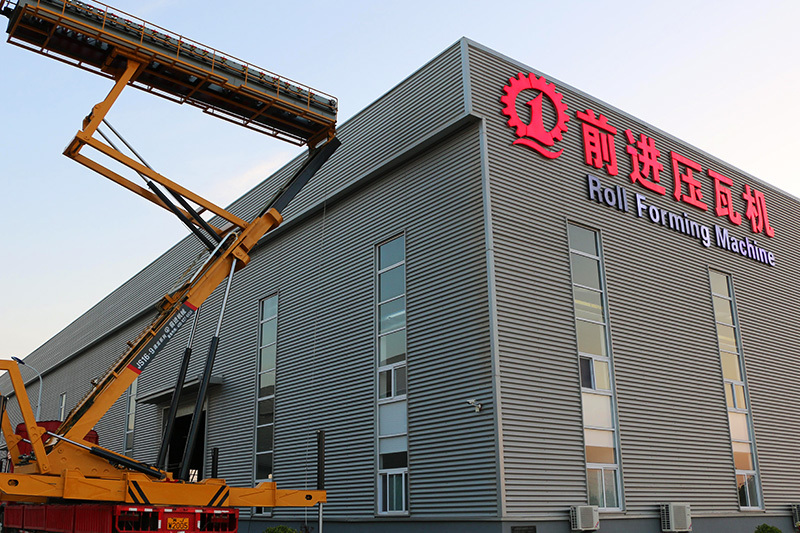
The company was established in 2008 and is located in Botou, Hebei, a famous casting city in China. -
Products
We continue to develop and create high quality but affordable products
The company is divided into two major factory areas in the north and south. -
Push forward without end
Products are widely used in industrial and civil buildings, such as factories, warehouses, gymnasiums, exhibition halls and other houses and walls. The company has a high starting point and an early start in the products of tile pressing forming and high-altitude tile pressing forming operation platform.
How Automatic Roll Forming Machines Revolutionize Manufacturing Processes
How Automatic Roll Forming Machines Revolutionize Manufacturing Processes
Table of Contents
- Introduction to Automatic Roll Forming Machines
- Understanding the Roll Forming Process
- Advantages of Automatic Roll Forming Machines
- Technological Advancements in Roll Forming
- Applications of Automatic Roll Forming Machines
- Case Studies: Success Stories in Manufacturing
- The Future of Automatic Roll Forming
- Frequently Asked Questions
- Conclusion
Introduction to Automatic Roll Forming Machines
The manufacturing industry has undergone significant changes in recent years, fueled largely by advancements in technology. One of the most revolutionary technologies transforming manufacturing processes is the automatic roll forming machine. These machines streamline production, improve precision, and enhance overall efficiency, making them a game changer for manufacturers across various sectors.
Automatic roll forming machines utilize a continuous bending process where metal strips are gradually shaped into desired profiles. The automation aspect allows for faster production rates, reduced labor costs, and enhanced consistency in product quality, all of which are crucial in today’s competitive manufacturing environment.
Understanding the Roll Forming Process
Roll forming is a unique method used to create long lengths of metal shapes, typically from steel or aluminum. The process involves feeding a metal sheet into a series of rollers, each progressively shaping the material into the desired profile.
The Steps Involved in Roll Forming
1. Material Selection: The process begins with selecting the appropriate gauge and type of metal. The material’s characteristics will influence the final product's mechanical properties.
2. Feeding the Material: The metal strip is then fed into the machine, where it is supported and guided along the rollers.
3. Rolling: As the metal passes through the rollers, it is gradually shaped. Each roller modifies the profile slightly, allowing for intricate designs without requiring significant manual labor.
4. Cutting and Finishing: Once the desired length and shape are achieved, the finished product is cut to size, and any additional finishing processes are applied, such as welding or coating.
Key Features of Automatic Roll Forming Machines
- High Precision: Automatic roll forming machines are designed to produce highly accurate and consistent profiles, reducing waste and ensuring quality.
- Flexibility: These machines can be adjusted to create various shapes and sizes, which is essential for manufacturers needing versatility in production.
- Increased Speed: Automation enables faster processing times, allowing businesses to meet growing demand without compromising quality.
Advantages of Automatic Roll Forming Machines
The adoption of automatic roll forming machines presents numerous benefits for manufacturers. These advantages include:
1. Enhanced Productivity
By automating the roll forming process, manufacturers can significantly increase production speed. Automatic machines can operate continuously, producing large quantities of finished products in a fraction of the time required by manual methods.
2. Improved Quality Control
With precision engineering, automatic roll forming machines ensure each product meets strict quality standards. The consistency of the output minimizes defects, leading to higher customer satisfaction rates.
3. Reduced Labor Costs
Although the initial investment in automatic machines may be higher, the reduction in labor costs pays off in the long run. Fewer personnel are required to operate and monitor the machines, allowing manufacturers to allocate resources to other critical areas.
4. Versatility and Customization
Automatic roll forming machines can be customized to produce a wide range of profiles, making them suitable for various industries, from construction to automotive. This flexibility allows businesses to adapt quickly to changing market demands.
5. Lower Material Waste
Due to the high precision of automatic roll forming, manufacturers can minimize material waste. This not only enhances profitability but also contributes to more sustainable production practices.
Technological Advancements in Roll Forming
The evolution of technology has played a pivotal role in the efficiency and capabilities of automatic roll forming machines.
Integration of Industry 4.0
Modern roll forming machines are increasingly integrating Industry 4.0 technologies, such as the Internet of Things (IoT), artificial intelligence (AI), and big data analytics. These advancements allow manufacturers to monitor and optimize the production process in real-time, reducing downtime and increasing operational efficiency.
Smart Automation
Smart automation enhances the ability of roll forming machines to adapt to different production requirements. Machines equipped with advanced sensors can automatically adjust settings based on material properties and production parameters, ensuring optimal performance.
Robotic Assistance
The incorporation of robotics in the roll forming process allows for greater flexibility and precision in tasks such as loading, unloading, and packaging. Robotic systems can work alongside roll forming machines to create a fully automated production line.
Applications of Automatic Roll Forming Machines
Automatic roll forming machines have found applications across various industries due to their versatility and efficiency. Some of the most notable applications include:
1. Construction Industry
In the construction sector, roll forming machines are used to create steel framing, roofing panels, and other structural components. Their ability to produce long lengths of material with consistent quality makes them ideal for large-scale construction projects.
2. Automotive Manufacturing
The automotive industry relies on roll forming machines to manufacture parts such as chassis components, brackets, and trim. The high precision of these machines ensures that parts fit together seamlessly, which is critical for vehicle safety and performance.
3. HVAC Systems
Roll forming machines are essential in producing ductwork and other ventilation components. The ability to create custom profiles allows manufacturers to meet specific design requirements easily.
4. Appliances and Furniture
Automatic roll forming machines are also used in the production of metal components for household appliances and furniture. Their efficient production capabilities support the fast-paced demand of these industries.
5. Electrical and Electronics
The electrical industry benefits from roll forming through the production of enclosures, brackets, and support structures. The machines' precision ensures that components meet stringent regulatory standards.
Case Studies: Success Stories in Manufacturing
To truly appreciate the impact of automatic roll forming machines, let’s explore some success stories from the industry.
Case Study 1: ABC Construction Supplies
ABC Construction Supplies implemented automatic roll forming machines to enhance their production line for metal roofing materials. By transitioning from manual processes to automation, they increased their production capacity by 50%, reduced labor costs by 30%, and significantly improved product quality.
Case Study 2: XYZ Automotive Parts
XYZ Automotive Parts adopted smart automation in their manufacturing process, integrating AI and IoT technologies with their roll forming machines. This transition resulted in a 40% reduction in production times and improved the accuracy of their automotive components, leading to higher customer satisfaction and reduced return rates.
Case Study 3: DEF HVAC Solutions
DEF HVAC Solutions utilized automatic roll forming machines to streamline their ductwork production. The new system allowed them to produce custom-sized ductwork on demand, reducing lead times significantly and allowing them to meet the fluctuating needs of their clients.
The Future of Automatic Roll Forming
As technology continues to advance, the future of automatic roll forming machines looks promising. Key trends shaping the future include:
1. Increased Automation
The trend towards full automation will continue, with more manufacturers investing in robotic systems and AI to enhance productivity and efficiency.
2. Sustainable Manufacturing Practices
As companies strive for sustainability, roll forming machines will evolve to use environmentally friendly materials and processes, further reducing waste and energy consumption.
3. Customization and On-Demand Production
The demand for custom products is expected to rise, and roll forming machines will adapt to allow for more flexible manufacturing processes that cater to specific customer needs.
4. Advanced Materials
The exploration of new materials, such as lightweight alloys and composites, will present opportunities for roll forming technology. Manufacturers will need to adapt their processes to accommodate these innovative materials.
Frequently Asked Questions
1. What materials can be used with automatic roll forming machines?
Automatic roll forming machines can work with various materials, including steel, aluminum, and other metals. The choice of material will depend on the desired final product and its application.
2. How does roll forming differ from other metal forming processes?
Roll forming is a continuous bending process, while other methods like stamping involve cutting the material. Roll forming is more suited for producing long, uniform shapes efficiently.
3. Can automatic roll forming machines produce custom profiles?
Yes, one of the key advantages of automatic roll forming machines is their ability to create custom profiles to meet specific design requirements.
4. What are the typical applications for automatic roll forming machines?
Applications include construction materials, automotive parts, HVAC components, furniture, and electrical enclosures.
5. How do I choose the right roll forming machine for my business?
Selecting the right automatic roll forming machine depends on your production volume, the types of materials you will use, and the specific profiles you need to produce. Consulting with a manufacturer can help identify the best options.
Conclusion
Automatic roll forming machines represent a significant evolution in manufacturing processes, driving improvements in productivity, quality, and efficiency. Their versatility and ability to integrate modern technologies position them as essential assets for manufacturers across various industries. Embracing this technology not only ensures competitiveness but also paves the way for innovative manufacturing practices that will shape the future. As industries continue to evolve, automatic roll forming machines will be at the forefront, revolutionizing how we manufacture and meet the demands of a rapidly changing market.
Key words:
recommend News
Share
Cangzhou Forward Roll Forming Machinery Manufacturing
Telephone: +86 0317 8308862
Mobile: +86 187 3373 6699
E-mail:info@rollformingmills.com
Skype:james521520
Address: China Hebei Cangzhou Botou City 104 National Road East
Website QR Code