
-
 Become an influential brand in the world industry!
The company was established in 2008 and is located in Botou, Hebei, a famous casting city in China. -
Products
We continue to develop and create high quality but affordable products
The company is divided into two major factory areas in the north and south. -
Push forward without end
Products are widely used in industrial and civil buildings, such as factories, warehouses, gymnasiums, exhibition halls and other houses and walls. The company has a high starting point and an early start in the products of tile pressing forming and high-altitude tile pressing forming operation platform.
language
Understanding Highway Guardrail Roll Forming Machines: A Comprehensive Guide
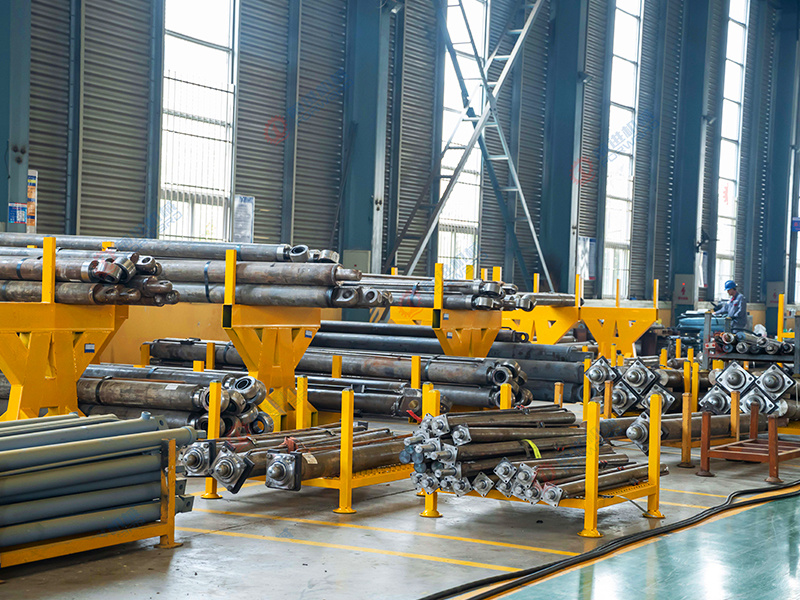
Highway guardrail roll forming machines play a crucial role in the manufacturing process of safety barriers used on roads and highways. These machines are specifically designed to create guardrails that enhance road safety by preventing vehicles from veering off the road and reducing the severity of accidents. Understanding how these machines work and their significance in the industry can empower manufacturers to improve their production efficiency and product quality.
The primary function of a highway guardrail roll forming machine is to convert flat steel strips into a desired profile that meets specific safety standards. The process begins with feeding raw material through a series of rollers, which progressively shape the metal into the required guardrail configuration. This method of production is efficient, allowing for high-volume output while ensuring precise dimensions and uniformity across the products.
One of the main advantages of using these machines is their ability to minimize waste. The roll forming process maximizes the use of raw materials by producing continuous lengths of guardrail from steel sheets. This not only reduces material costs but also helps in enhancing the overall sustainability of the manufacturing process.
When selecting a highway guardrail roll forming machine, manufacturers should consider several key factors. Firstly, the machine’s capacity should align with production demands. This includes the thickness and width of the steel sheets it can handle, as well as the speed at which it operates. Additionally, it's essential to assess the machine's versatility; some machines offer multiple roll forming options, enabling manufacturers to produce various guardrail designs without the need for extensive modifications.
Another important aspect is the reliability and maintenance of the equipment. Investing in a machine that is built for durability can save manufacturers from costly downtimes and repairs. It's advisable to inquire about the availability of spare parts and technical support from the manufacturer, as this can significantly impact production continuity.
Furthermore, automation features are becoming increasingly popular in modern roll forming machines. Automated systems can enhance production efficiency by reducing manual intervention, thus minimizing errors and improving safety in the workplace. Features such as programmable controls and real-time monitoring can provide manufacturers with valuable data, allowing for better decision-making and process optimization.
In conclusion, highway guardrail roll forming machines are indispensable in the production of essential road safety components. By understanding their operation, benefits, and how to choose the right machine, manufacturers can enhance their output and contribute to safer roadways. As the industry continues to evolve, staying informed about advancements in roll forming technology will be key to maintaining a competitive edge.
The primary function of a highway guardrail roll forming machine is to convert flat steel strips into a desired profile that meets specific safety standards. The process begins with feeding raw material through a series of rollers, which progressively shape the metal into the required guardrail configuration. This method of production is efficient, allowing for high-volume output while ensuring precise dimensions and uniformity across the products.
One of the main advantages of using these machines is their ability to minimize waste. The roll forming process maximizes the use of raw materials by producing continuous lengths of guardrail from steel sheets. This not only reduces material costs but also helps in enhancing the overall sustainability of the manufacturing process.
When selecting a highway guardrail roll forming machine, manufacturers should consider several key factors. Firstly, the machine’s capacity should align with production demands. This includes the thickness and width of the steel sheets it can handle, as well as the speed at which it operates. Additionally, it's essential to assess the machine's versatility; some machines offer multiple roll forming options, enabling manufacturers to produce various guardrail designs without the need for extensive modifications.
Another important aspect is the reliability and maintenance of the equipment. Investing in a machine that is built for durability can save manufacturers from costly downtimes and repairs. It's advisable to inquire about the availability of spare parts and technical support from the manufacturer, as this can significantly impact production continuity.
Furthermore, automation features are becoming increasingly popular in modern roll forming machines. Automated systems can enhance production efficiency by reducing manual intervention, thus minimizing errors and improving safety in the workplace. Features such as programmable controls and real-time monitoring can provide manufacturers with valuable data, allowing for better decision-making and process optimization.
In conclusion, highway guardrail roll forming machines are indispensable in the production of essential road safety components. By understanding their operation, benefits, and how to choose the right machine, manufacturers can enhance their output and contribute to safer roadways. As the industry continues to evolve, staying informed about advancements in roll forming technology will be key to maintaining a competitive edge.
Key words:
recommend News
Share
Cangzhou Forward Roll Forming Machinery Manufacturing
Telephone: +86 0317 8308862
Mobile: +86 187 3373 6699
E-mail:info@rollformingmills.com
Skype:james521520
Address: China Hebei Cangzhou Botou City 104 National Road East
Website QR Code

Business License