
-
 Become an influential brand in the world industry!
The company was established in 2008 and is located in Botou, Hebei, a famous casting city in China. -
Products
We continue to develop and create high quality but affordable products
The company is divided into two major factory areas in the north and south. -
Push forward without end
Products are widely used in industrial and civil buildings, such as factories, warehouses, gymnasiums, exhibition halls and other houses and walls. The company has a high starting point and an early start in the products of tile pressing forming and high-altitude tile pressing forming operation platform.
language
The Ultimate Guide to Steel Roll Forming Machines: Enhancing Manufacturing Efficiency
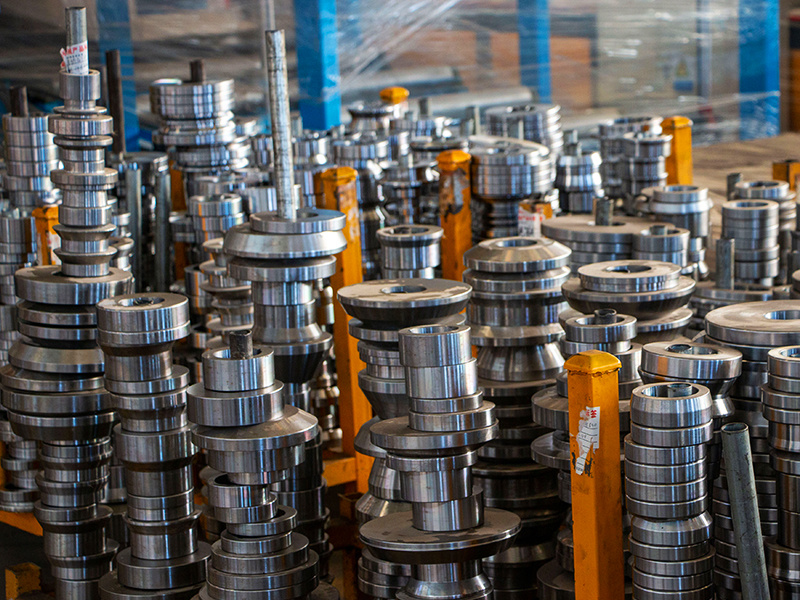
Steel roll forming machines are essential tools in the manufacturing and processing industry, known for their efficiency and versatility. These machines are designed to convert flat steel sheets into complex shapes through a process known as roll forming. This technique involves feeding the steel through a series of rollers that gradually shape it into the desired profile. The applications of steel roll forming machines are extensive, making them indispensable in various sectors.
One of the primary advantages of steel roll forming machines is their ability to produce high volumes of parts with consistent quality. Once the tooling is set up, these machines can operate continuously, providing a cost-effective solution for mass production. This feature is particularly beneficial for industries such as construction, automotive, and appliance manufacturing, where precision and uniformity are crucial.
Another significant benefit is the machine's flexibility in design. Steel roll forming machines can create a wide range of profiles, including channels, angles, and custom shapes tailored to specific requirements. This adaptability allows manufacturers to meet diverse customer needs without extensive retooling, thereby reducing lead times and enhancing production efficiency.
Moreover, steel roll forming is an environmentally friendly process. The waste produced is minimal, as the sheets are precisely shaped with little scrap material. Additionally, the energy consumption of modern roll forming machines has been optimized, making them more sustainable compared to traditional manufacturing methods.
Maintenance and operation are also vital considerations when utilizing steel roll forming machines. Regular maintenance is necessary to ensure optimal performance and longevity of the equipment. Operators should be well-trained in handling the machine to avoid operational hiccups, ensuring a seamless production process.
Investing in a steel roll forming machine can significantly enhance a manufacturing facility's capabilities. By streamlining the production of metal components, businesses can improve their supply chain efficiency, respond more quickly to market demands, and ultimately increase profitability.
In summary, steel roll forming machines play a pivotal role in modern manufacturing, offering efficient, flexible, and sustainable solutions. Whether for producing high volumes of standard profiles or custom shapes, these machines are essential for any manufacturer looking to stay competitive in today's fast-paced market. Understanding their functionality and benefits can empower businesses to leverage them effectively, paving the way for innovation and growth in manufacturing.
One of the primary advantages of steel roll forming machines is their ability to produce high volumes of parts with consistent quality. Once the tooling is set up, these machines can operate continuously, providing a cost-effective solution for mass production. This feature is particularly beneficial for industries such as construction, automotive, and appliance manufacturing, where precision and uniformity are crucial.
Another significant benefit is the machine's flexibility in design. Steel roll forming machines can create a wide range of profiles, including channels, angles, and custom shapes tailored to specific requirements. This adaptability allows manufacturers to meet diverse customer needs without extensive retooling, thereby reducing lead times and enhancing production efficiency.
Moreover, steel roll forming is an environmentally friendly process. The waste produced is minimal, as the sheets are precisely shaped with little scrap material. Additionally, the energy consumption of modern roll forming machines has been optimized, making them more sustainable compared to traditional manufacturing methods.
Maintenance and operation are also vital considerations when utilizing steel roll forming machines. Regular maintenance is necessary to ensure optimal performance and longevity of the equipment. Operators should be well-trained in handling the machine to avoid operational hiccups, ensuring a seamless production process.
Investing in a steel roll forming machine can significantly enhance a manufacturing facility's capabilities. By streamlining the production of metal components, businesses can improve their supply chain efficiency, respond more quickly to market demands, and ultimately increase profitability.
In summary, steel roll forming machines play a pivotal role in modern manufacturing, offering efficient, flexible, and sustainable solutions. Whether for producing high volumes of standard profiles or custom shapes, these machines are essential for any manufacturer looking to stay competitive in today's fast-paced market. Understanding their functionality and benefits can empower businesses to leverage them effectively, paving the way for innovation and growth in manufacturing.
Key words:
recommend News
Share
Cangzhou Forward Roll Forming Machinery Manufacturing
Telephone: +86 0317 8308862
Mobile: +86 187 3373 6699
E-mail:info@rollformingmills.com
Skype:james521520
Address: China Hebei Cangzhou Botou City 104 National Road East
Website QR Code

Business License