
-
 Become an influential brand in the world industry!
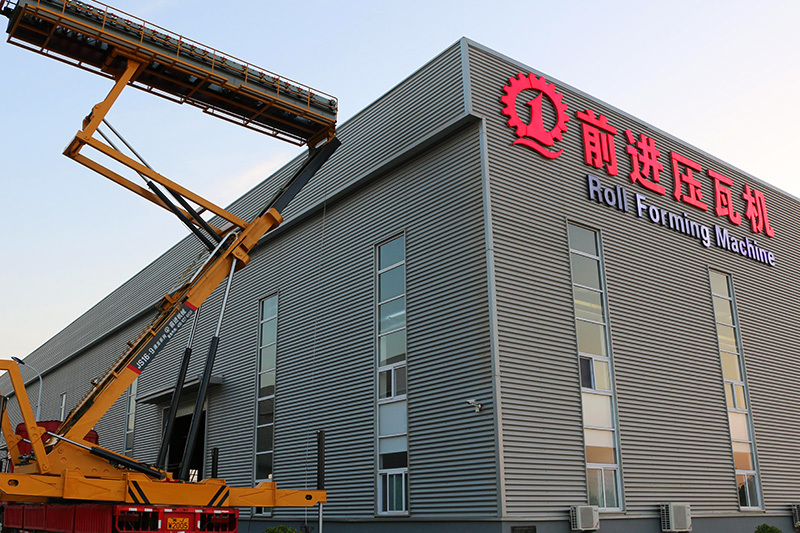
The company was established in 2008 and is located in Botou, Hebei, a famous casting city in China. -
Products
We continue to develop and create high quality but affordable products
The company is divided into two major factory areas in the north and south. -
Push forward without end
Products are widely used in industrial and civil buildings, such as factories, warehouses, gymnasiums, exhibition halls and other houses and walls. The company has a high starting point and an early start in the products of tile pressing forming and high-altitude tile pressing forming operation platform.
language
Understanding Panel Roll Former Machines: Essential Insights for Professionals
Panel roll former machines are specialized pieces of equipment designed for the continuous production of metal panels through a process known as roll forming. This technology has become increasingly vital in various sectors, including construction, automotive, and appliance manufacturing, due to its efficiency and flexibility. A panel roll former typically consists of a series of rollers that shape flat metal strips into desired profiles, enabling the creation of different panel sizes and thicknesses.
One of the primary advantages of using panel roll former machines is their capability to produce high volumes of uniform products with minimal material waste. The roll forming process allows for intricate designs without sacrificing structural integrity, making these machines highly desirable for applications requiring durability, such as roofing and wall cladding. Furthermore, the continuous nature of the operation significantly reduces production time as compared to traditional methods.
Operation of a panel roll former machine usually involves several key components: uncoiler, roll forming station, cutting mechanism, and control system. The uncoiler feeds the metal strip into the machine, where it passes through a series of rollers that gradually shape it into the final profile. Once the desired length is achieved, a cutting mechanism, which can be powered by hydraulic or mechanical systems, precisely cuts the panel at specified intervals. An advanced control system ensures that the entire process runs smoothly, allowing operators to adjust parameters to meet specific production requirements.
In terms of maintenance, regular inspection and lubrication of the rollers are essential to ensure optimal performance and longevity of the machine. Additionally, keeping the cutting tools sharp and in good condition is critical for producing clean edges and preventing material waste. Operators should also be trained to monitor the machine's performance and troubleshoot common issues that may arise during operation.
Integration of technology, such as automated controls and sensors, is another trend in the evolution of panel roll former machines. These advancements allow for greater precision and efficiency, with the ability to quickly switch between different panel designs without extensive downtime. As industries continue to evolve, the demand for versatile and efficient manufacturing solutions like panel roll former machines is likely to grow, making them an essential asset in modern production lines.
In conclusion, understanding the workings and benefits of panel roll former machines can empower industry professionals to make informed decisions regarding their manufacturing processes. Whether for enhancing production capabilities or ensuring high-quality output, these machines play a critical role in the contemporary manufacturing landscape.
One of the primary advantages of using panel roll former machines is their capability to produce high volumes of uniform products with minimal material waste. The roll forming process allows for intricate designs without sacrificing structural integrity, making these machines highly desirable for applications requiring durability, such as roofing and wall cladding. Furthermore, the continuous nature of the operation significantly reduces production time as compared to traditional methods.
Operation of a panel roll former machine usually involves several key components: uncoiler, roll forming station, cutting mechanism, and control system. The uncoiler feeds the metal strip into the machine, where it passes through a series of rollers that gradually shape it into the final profile. Once the desired length is achieved, a cutting mechanism, which can be powered by hydraulic or mechanical systems, precisely cuts the panel at specified intervals. An advanced control system ensures that the entire process runs smoothly, allowing operators to adjust parameters to meet specific production requirements.
In terms of maintenance, regular inspection and lubrication of the rollers are essential to ensure optimal performance and longevity of the machine. Additionally, keeping the cutting tools sharp and in good condition is critical for producing clean edges and preventing material waste. Operators should also be trained to monitor the machine's performance and troubleshoot common issues that may arise during operation.
Integration of technology, such as automated controls and sensors, is another trend in the evolution of panel roll former machines. These advancements allow for greater precision and efficiency, with the ability to quickly switch between different panel designs without extensive downtime. As industries continue to evolve, the demand for versatile and efficient manufacturing solutions like panel roll former machines is likely to grow, making them an essential asset in modern production lines.
In conclusion, understanding the workings and benefits of panel roll former machines can empower industry professionals to make informed decisions regarding their manufacturing processes. Whether for enhancing production capabilities or ensuring high-quality output, these machines play a critical role in the contemporary manufacturing landscape.
Key words:
recommend News
Share
Cangzhou Forward Roll Forming Machinery Manufacturing
Telephone: +86 0317 8308862
Mobile: +86 187 3373 6699
E-mail:info@rollformingmills.com
Skype:james521520
Address: China Hebei Cangzhou Botou City 104 National Road East
Website QR Code

Business License