
-
 Become an influential brand in the world industry!
The company was established in 2008 and is located in Botou, Hebei, a famous casting city in China. -
Products
We continue to develop and create high quality but affordable products
The company is divided into two major factory areas in the north and south. -
Push forward without end
Products are widely used in industrial and civil buildings, such as factories, warehouses, gymnasiums, exhibition halls and other houses and walls. The company has a high starting point and an early start in the products of tile pressing forming and high-altitude tile pressing forming operation platform.
language
Understanding Guardrail Roll Forming Machines: A Comprehensive Overview
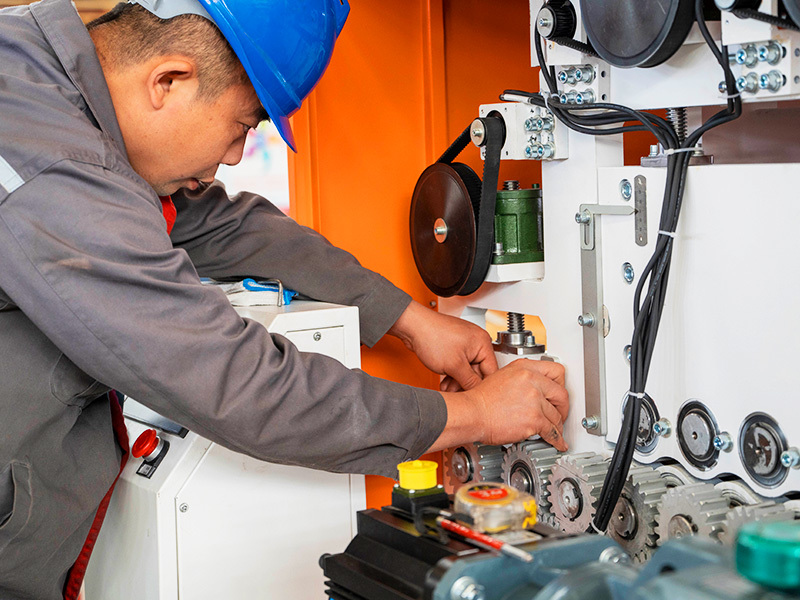
Guardrail roll forming machines are specialized equipment designed for the manufacturing of guardrails, commonly used in highway safety applications. These machines operate on a principle known as roll forming, which involves feeding metal coils through a series of rollers that progressively shape the material into the desired profile. This process is highly efficient and allows for the rapid production of guardrails that conform to strict safety standards.
One of the primary advantages of using guardrail roll forming machines is their ability to produce uniform and high-quality products. The precision engineering of these machines ensures that each piece of guardrail is manufactured to consistent specifications, which is crucial for safety applications. Furthermore, the automation involved in the roll forming process minimizes human error and increases production speed, allowing manufacturers to meet high demand without compromising quality.
The construction of guardrail roll forming machines can vary, but they typically consist of several key components, including uncoilers, forming stations, and cutting systems. The uncoiler holds the metal coil that will be formed into the guardrail. As the coil is unwound, it is fed through a series of rollers that gradually shape the metal into the desired profile. After forming, the cut-off system ensures that the guardrails are cut to precise lengths, ready for installation.
In addition to their efficiency and precision, guardrail roll forming machines are versatile. They can be adjusted to create various profiles of guardrails, accommodating different design specifications and regulatory requirements. This flexibility is particularly beneficial for manufacturers who need to adapt to changing market demands or specific project needs.
Another significant aspect of guardrail roll forming machines is their capacity for material efficiency. The roll forming process generates minimal waste since the metal is continuously shaped rather than cut from larger sheets. This not only reduces material costs but also aligns with sustainable manufacturing practices, making it an attractive option for environmentally conscious operations.
In summary, guardrail roll forming machines play a crucial role in the manufacturing of safety guardrails for highways and other applications. Their ability to produce high-quality, uniform products efficiently makes them an essential asset in the manufacturing sector. By understanding the functionality and advantages of these machines, manufacturers can make informed decisions about their production capabilities, improve operational efficiency, and ultimately enhance safety in transportation environments.
One of the primary advantages of using guardrail roll forming machines is their ability to produce uniform and high-quality products. The precision engineering of these machines ensures that each piece of guardrail is manufactured to consistent specifications, which is crucial for safety applications. Furthermore, the automation involved in the roll forming process minimizes human error and increases production speed, allowing manufacturers to meet high demand without compromising quality.
The construction of guardrail roll forming machines can vary, but they typically consist of several key components, including uncoilers, forming stations, and cutting systems. The uncoiler holds the metal coil that will be formed into the guardrail. As the coil is unwound, it is fed through a series of rollers that gradually shape the metal into the desired profile. After forming, the cut-off system ensures that the guardrails are cut to precise lengths, ready for installation.
In addition to their efficiency and precision, guardrail roll forming machines are versatile. They can be adjusted to create various profiles of guardrails, accommodating different design specifications and regulatory requirements. This flexibility is particularly beneficial for manufacturers who need to adapt to changing market demands or specific project needs.
Another significant aspect of guardrail roll forming machines is their capacity for material efficiency. The roll forming process generates minimal waste since the metal is continuously shaped rather than cut from larger sheets. This not only reduces material costs but also aligns with sustainable manufacturing practices, making it an attractive option for environmentally conscious operations.
In summary, guardrail roll forming machines play a crucial role in the manufacturing of safety guardrails for highways and other applications. Their ability to produce high-quality, uniform products efficiently makes them an essential asset in the manufacturing sector. By understanding the functionality and advantages of these machines, manufacturers can make informed decisions about their production capabilities, improve operational efficiency, and ultimately enhance safety in transportation environments.
Key words:
recommend News
Share
Cangzhou Forward Roll Forming Machinery Manufacturing
Telephone: +86 0317 8308862
Mobile: +86 187 3373 6699
E-mail:info@rollformingmills.com
Skype:james521520
Address: China Hebei Cangzhou Botou City 104 National Road East
Website QR Code

Business License