
-
 Become an influential brand in the world industry!
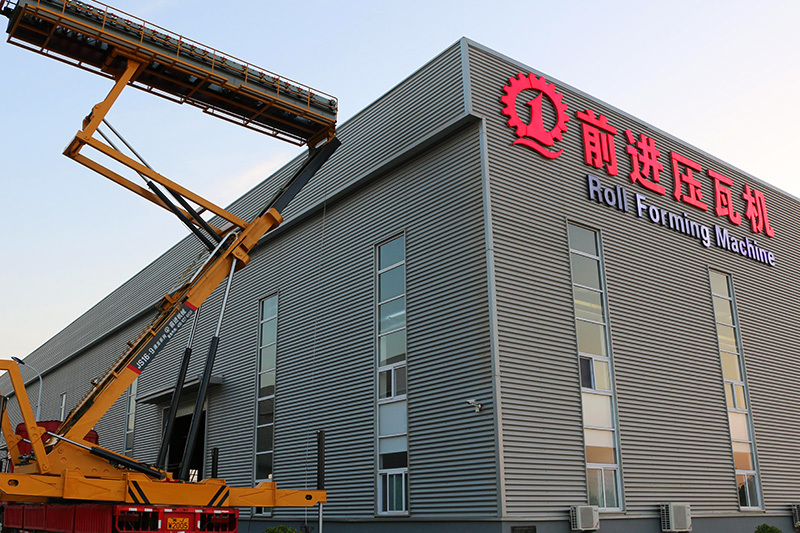
The company was established in 2008 and is located in Botou, Hebei, a famous casting city in China. -
Products
We continue to develop and create high quality but affordable products
The company is divided into two major factory areas in the north and south. -
Push forward without end
Products are widely used in industrial and civil buildings, such as factories, warehouses, gymnasiums, exhibition halls and other houses and walls. The company has a high starting point and an early start in the products of tile pressing forming and high-altitude tile pressing forming operation platform.
language
Comparing Manual vs. Automatic Roll Forming Machines: Which is Right for You?
Comparing Manual vs. Automatic Roll Forming Machines: Which is Right for You?
Table of Contents
1. Introduction to Roll Forming Machines
2. Understanding Manual Roll Forming Machines
2.1 What are Manual Roll Forming Machines?
2.2 Key Features of Manual Roll Forming Machines
3. Exploring Automatic Roll Forming Machines
3.1 What are Automatic Roll Forming Machines?
3.2 Key Features of Automatic Roll Forming Machines
4. Key Differences between Manual and Automatic Roll Forming Machines
4.1 Production Efficiency
4.2 Cost Considerations
4.3 Flexibility and Customization
4.4 Operator Skill Requirements
5. Factors to Consider When Choosing Between Manual and Automatic
5.1 Production Volume and Speed
5.2 Material Types and Thickness
5.3 Budget Constraints
6. Common Applications for Manual and Automatic Roll Forming Machines
6.1 Industries Benefiting from Manual Roll Forming
6.2 Industries Utilizing Automatic Roll Forming
7. Frequently Asked Questions (FAQs)
8. Conclusion
1. Introduction to Roll Forming Machines
Roll forming is a highly efficient manufacturing process utilized to create long strips of material with a constant cross-section. It involves the progressive bending of material through a series of rolls, ultimately producing specified shapes. In the industry, two main types of roll forming machines stand out: **manual** and **automatic**. Understanding the differences between these two machines is crucial for optimizing production efficiency and meeting specific manufacturing requirements.
2. Understanding Manual Roll Forming Machines
2.1 What are Manual Roll Forming Machines?
Manual roll forming machines are equipment designed to shape materials through human-operated controls. Operators are responsible for adjusting the machine and guiding the material through the forming process. This type of machine is often favored for small production runs or specialty applications.
2.2 Key Features of Manual Roll Forming Machines
Manual roll forming machines typically possess several defining characteristics:
- **Lower Initial Cost**: Due to simpler technology and fewer components, manual machines are often more affordable.
- **Operator Flexibility**: Operators can adjust settings and parameters on the fly, providing more adaptability for small batches or custom jobs.
- **Space Efficiency**: Manual machines usually have a smaller footprint, making them ideal for smaller workshops or facilities.
3. Exploring Automatic Roll Forming Machines
3.1 What are Automatic Roll Forming Machines?
Automatic roll forming machines are advanced systems that utilize automated processes to conduct shaping operations. Equipped with programmable logic controllers (PLCs) and sophisticated software, these machines can perform high-volume production runs with minimal human intervention.
3.2 Key Features of Automatic Roll Forming Machines
Automatic roll forming machines offer several compelling benefits:
- **High Production Speed**: These machines can operate at significantly faster rates, producing larger quantities without sacrificing quality.
- **Consistency and Precision**: Automated systems deliver uniform results across large batches, minimizing variations and defects.
- **Reduced Labor Costs**: With less manual oversight required, businesses can save on labor costs while reallocating resources to other areas.
4. Key Differences between Manual and Automatic Roll Forming Machines
4.1 Production Efficiency
Production efficiency is one of the most critical factors distinguishing manual and automatic roll forming machines. Manual systems can be slower, particularly for large runs, while automatic systems excel in delivering high throughput and reducing cycle times.
4.2 Cost Considerations
Initial investment costs for manual roll forming machines are generally lower; however, automatic machines can provide a better return on investment (ROI) over time due to their efficiency and lower labor costs. It’s essential to weigh these factors based on your specific production needs.
4.3 Flexibility and Customization
Manual roll forming machines offer greater flexibility for custom jobs, allowing operators to make real-time adjustments. Conversely, automatic machines are best suited for high-volume production of standardized products, where consistency is paramount.
4.4 Operator Skill Requirements
Manual machines necessitate skilled operators who can adjust the machine settings and troubleshoot issues effectively. Automatic systems may require less hands-on involvement, but they demand operators who understand programming and troubleshooting of complex systems.
5. Factors to Consider When Choosing Between Manual and Automatic
5.1 Production Volume and Speed
When considering which type of machine is right for you, evaluate your production volume and speed requirements. If you anticipate high-volume manufacturing, an automatic roll forming machine may be a necessary investment. For lower volumes or specialty products, manual machines are often sufficient.
5.2 Material Types and Thickness
Different machines can handle various materials and thicknesses. Ensure that the machine you choose aligns with the specific materials you plan to work with. Automatic machines often provide greater capability for handling diverse materials efficiently.
5.3 Budget Constraints
Your budget will significantly influence your decision. Manual roll forming machines typically come with lower upfront costs, while automatic machines require more substantial initial investments. Consider both the purchase price and ongoing operational expenses when making your choice.
6. Common Applications for Manual and Automatic Roll Forming Machines
6.1 Industries Benefiting from Manual Roll Forming
Industries that often utilize manual roll forming machines include:
- **Custom Fabrication**: Tailored solutions for specific client needs.
- **Prototyping**: Developing samples before full-scale production.
- **Small-scale Manufacturing**: Ideal for local shops and artisan manufacturers.
6.2 Industries Utilizing Automatic Roll Forming
Automatic roll forming machines are prevalent in industries such as:
- **Automotive Manufacturing**: High-volume production of components like brackets and supports.
- **Construction**: Manufacturing of structural steel and metal roofing.
- **Appliance Production**: Creating metal parts for household appliances efficiently.
7. Frequently Asked Questions (FAQs)
7.1 What is the primary difference between manual and automatic roll forming machines?
The primary difference lies in operation; manual machines require human intervention for adjustments, while automatic machines use automated systems for high-speed production.
7.2 Are automatic roll forming machines more costly than manual ones?
Yes, automatic machines generally have a higher initial purchase cost but can offer better long-term savings due to increased efficiency and reduced labor needs.
7.3 Can I switch from manual to automatic roll forming machines easily?
Transitioning may require retraining operators and possible adjustments to your production processes, but it can significantly enhance efficiency.
7.4 What materials can be processed with roll forming machines?
Roll forming machines can work with various materials, including steel, aluminum, and other metals, depending on the machine’s specifications.
7.5 How do I determine the best machine for my application?
Evaluate your production needs, including volume, material types, and budget, to determine which machine best aligns with your operational goals.
8. Conclusion
Choosing between manual and automatic roll forming machines hinges on a variety of factors, including production volume, material requirements, and budgetary constraints. Manual machines offer flexibility and lower costs, making them ideal for specialized or low-volume production. In contrast, automatic machines streamline high-volume manufacturing, delivering consistency and speed. By assessing your unique business needs and understanding the advantages of each machine type, you can make an informed decision that aligns with your operational goals and maximizes efficiency.
Key words:
recommend News
Share
Cangzhou Forward Roll Forming Machinery Manufacturing
Telephone: +86 0317 8308862
Mobile: +86 187 3373 6699
E-mail:info@rollformingmills.com
Skype:james521520
Address: China Hebei Cangzhou Botou City 104 National Road East
Website QR Code

Business License