
-
 Become an influential brand in the world industry!
The company was established in 2008 and is located in Botou, Hebei, a famous casting city in China. -
Products
We continue to develop and create high quality but affordable products
The company is divided into two major factory areas in the north and south. -
Push forward without end
Products are widely used in industrial and civil buildings, such as factories, warehouses, gymnasiums, exhibition halls and other houses and walls. The company has a high starting point and an early start in the products of tile pressing forming and high-altitude tile pressing forming operation platform.
language
Understanding Light Gauge Steel Roll Forming Machines: Essential Insights for the Manufacturing Industry
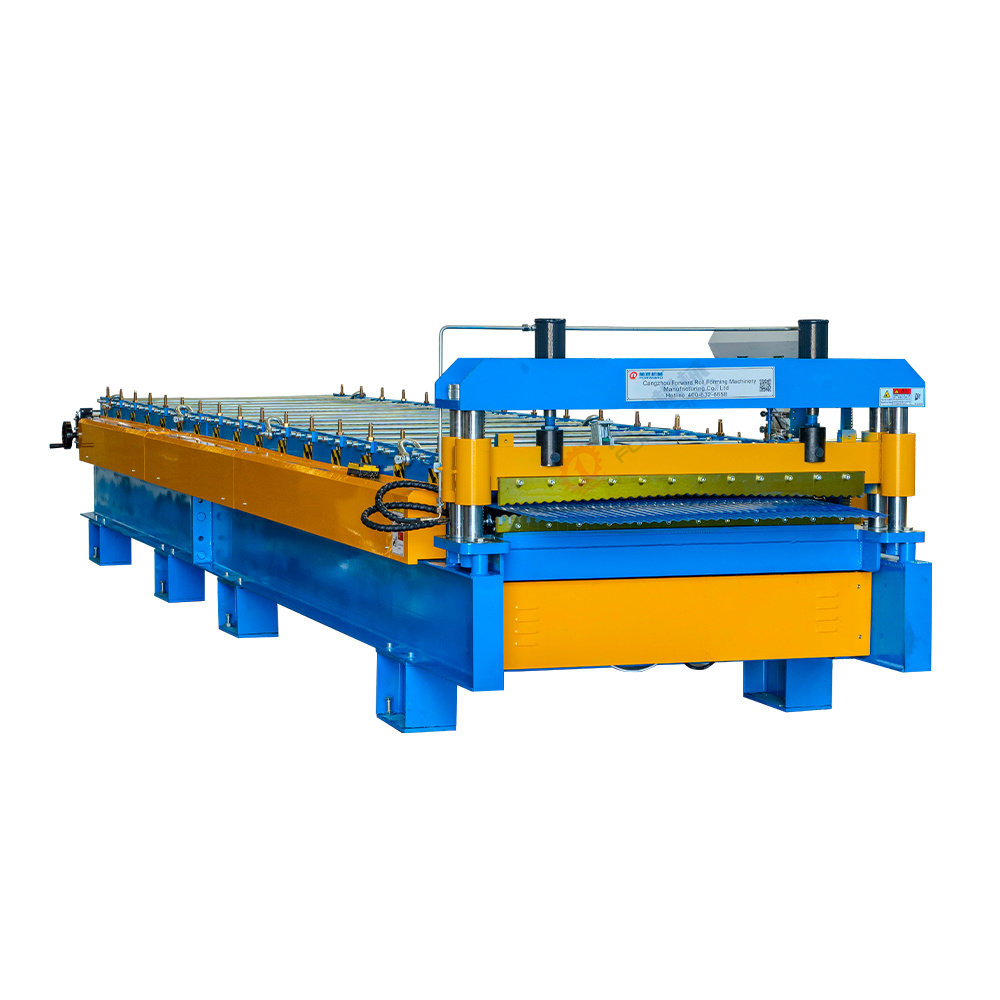
Light gauge steel roll forming machines have become indispensable tools in the manufacturing and processing sector, particularly for producing various steel components used in construction and other industries. These machines are designed to continuously shape light gauge steel sheets into desired profiles through a series of precision rollers. Understanding how these machines operate and the advantages they offer can greatly benefit manufacturers and engineers alike.
One of the primary advantages of light gauge steel roll forming machines is their efficiency in producing lightweight yet strong steel components. The roll forming process allows for the continuous shaping of steel, which means that large quantities can be produced with minimal waste. This not only reduces material costs but also enhances productivity, making it a financially viable option for manufacturers.
In addition to efficiency, the versatility of light gauge steel roll forming machines is noteworthy. They can create a wide range of profiles, including C-sections, Z-sections, and other custom shapes tailored to specific applications. This flexibility allows manufacturers to cater to diverse client needs and adapt to market trends without significant retooling or downtime.
Another significant benefit of these machines is the high level of precision they offer. Advanced technology and computer-controlled systems ensure that the dimensions and shapes of the formed steel components meet stringent specifications. This level of accuracy is crucial in industries such as construction, where structural integrity and safety are paramount.
Moreover, light gauge steel is notoriously resistant to rust, corrosion, and fire, making it an ideal choice for various applications. Roll forming machines that handle this material can produce components for roofing, wall systems, and other structural elements, contributing to the longevity and safety of buildings and infrastructure.
For manufacturers considering the integration of light gauge steel roll forming machines into their operations, it is essential to assess their production needs and investigate the specific features of different machines. Factors such as the type of material, desired output, and available space can influence the selection process. It may also be beneficial to consult with experts or attend industry exhibitions to gain insights into the latest advancements in roll forming technology.
In summary, light gauge steel roll forming machines play a crucial role in the modern manufacturing landscape. Their efficiency, versatility, and precision make them an excellent investment for producing high-quality steel components. By understanding their benefits and applications, manufacturers can make informed decisions that enhance their production capabilities and meet market demands effectively.
One of the primary advantages of light gauge steel roll forming machines is their efficiency in producing lightweight yet strong steel components. The roll forming process allows for the continuous shaping of steel, which means that large quantities can be produced with minimal waste. This not only reduces material costs but also enhances productivity, making it a financially viable option for manufacturers.
In addition to efficiency, the versatility of light gauge steel roll forming machines is noteworthy. They can create a wide range of profiles, including C-sections, Z-sections, and other custom shapes tailored to specific applications. This flexibility allows manufacturers to cater to diverse client needs and adapt to market trends without significant retooling or downtime.
Another significant benefit of these machines is the high level of precision they offer. Advanced technology and computer-controlled systems ensure that the dimensions and shapes of the formed steel components meet stringent specifications. This level of accuracy is crucial in industries such as construction, where structural integrity and safety are paramount.
Moreover, light gauge steel is notoriously resistant to rust, corrosion, and fire, making it an ideal choice for various applications. Roll forming machines that handle this material can produce components for roofing, wall systems, and other structural elements, contributing to the longevity and safety of buildings and infrastructure.
For manufacturers considering the integration of light gauge steel roll forming machines into their operations, it is essential to assess their production needs and investigate the specific features of different machines. Factors such as the type of material, desired output, and available space can influence the selection process. It may also be beneficial to consult with experts or attend industry exhibitions to gain insights into the latest advancements in roll forming technology.
In summary, light gauge steel roll forming machines play a crucial role in the modern manufacturing landscape. Their efficiency, versatility, and precision make them an excellent investment for producing high-quality steel components. By understanding their benefits and applications, manufacturers can make informed decisions that enhance their production capabilities and meet market demands effectively.
Key words:
recommend News
Share
Cangzhou Forward Roll Forming Machinery Manufacturing
Telephone: +86 0317 8308862
Mobile: +86 187 3373 6699
E-mail:info@rollformingmills.com
Skype:james521520
Address: China Hebei Cangzhou Botou City 104 National Road East
Website QR Code

Business License