
-
 Become an influential brand in the world industry!
The company was established in 2008 and is located in Botou, Hebei, a famous casting city in China. -
Products
We continue to develop and create high quality but affordable products
The company is divided into two major factory areas in the north and south. -
Push forward without end
Products are widely used in industrial and civil buildings, such as factories, warehouses, gymnasiums, exhibition halls and other houses and walls. The company has a high starting point and an early start in the products of tile pressing forming and high-altitude tile pressing forming operation platform.
language
Understanding Steel Roll Forming Machines: A Key Player in Modern Manufacturing
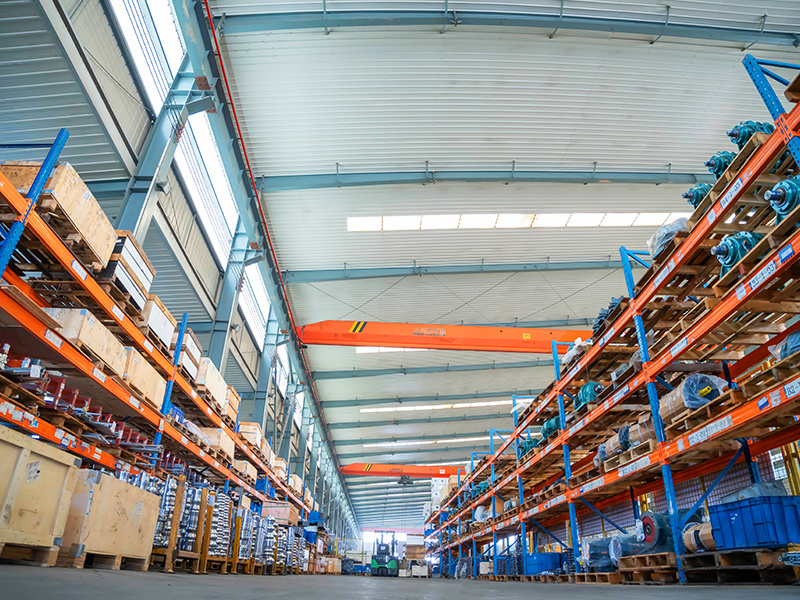
Steel roll forming machines are pivotal in the manufacturing sector, especially for businesses engaged in producing long metal products that require specific shapes and dimensions. These machines operate through a continuous bending process, transforming flat steel sheets into desired cross-sectional profiles. This method is highly efficient and cost-effective, making it a preferred choice for manufacturers across various industries.
The core functionality of a steel roll forming machine lies in its ability to shape metal through a series of rollers. As the steel passes through these rollers, it undergoes a gradual deformation process, allowing it to be molded into specific shapes such as C-sections, Z-sections, or any custom profile required by the end application. This precision in manufacturing ensures that the final product meets stringent specifications, which is crucial in construction, automotive, and other manufacturing sectors.
One of the significant advantages of utilizing steel roll forming machines is their high production efficiency. These machines can operate at impressive speeds, thereby reducing lead times and increasing output. Moreover, the continuous nature of the roll forming process minimizes waste, as excess material is kept to a minimum, ultimately leading to cost savings. Additionally, the automation capabilities of modern machines allow for consistent quality and reduced manual labor, which can significantly lower operational costs.
Another notable benefit is the versatility of steel roll forming machines. They can accommodate various materials, including different grades of steel, aluminum, and other alloys. This flexibility allows manufacturers to adapt to changing market demands and customize products to suit specific applications without extensive reconfiguration of the machinery.
In terms of applications, steel roll forming machines are used in a wide range of industries. They play a crucial role in construction, where they manufacture components such as roofing sheets, wall panels, and structural supports. In the automotive sector, roll-formed parts are vital for building lightweight frames and other structural components. Additionally, they are employed in the production of metal furniture, appliances, and even specialized equipment.
To summarize, steel roll forming machines are indispensable tools in the manufacturing landscape. Their ability to produce high-quality, precision-engineered metal components efficiently makes them a cornerstone of modern industry. By understanding the capabilities and advantages of these machines, professionals can better appreciate their role in enhancing productivity and meeting the ever-evolving demands of the market.
The core functionality of a steel roll forming machine lies in its ability to shape metal through a series of rollers. As the steel passes through these rollers, it undergoes a gradual deformation process, allowing it to be molded into specific shapes such as C-sections, Z-sections, or any custom profile required by the end application. This precision in manufacturing ensures that the final product meets stringent specifications, which is crucial in construction, automotive, and other manufacturing sectors.
One of the significant advantages of utilizing steel roll forming machines is their high production efficiency. These machines can operate at impressive speeds, thereby reducing lead times and increasing output. Moreover, the continuous nature of the roll forming process minimizes waste, as excess material is kept to a minimum, ultimately leading to cost savings. Additionally, the automation capabilities of modern machines allow for consistent quality and reduced manual labor, which can significantly lower operational costs.
Another notable benefit is the versatility of steel roll forming machines. They can accommodate various materials, including different grades of steel, aluminum, and other alloys. This flexibility allows manufacturers to adapt to changing market demands and customize products to suit specific applications without extensive reconfiguration of the machinery.
In terms of applications, steel roll forming machines are used in a wide range of industries. They play a crucial role in construction, where they manufacture components such as roofing sheets, wall panels, and structural supports. In the automotive sector, roll-formed parts are vital for building lightweight frames and other structural components. Additionally, they are employed in the production of metal furniture, appliances, and even specialized equipment.
To summarize, steel roll forming machines are indispensable tools in the manufacturing landscape. Their ability to produce high-quality, precision-engineered metal components efficiently makes them a cornerstone of modern industry. By understanding the capabilities and advantages of these machines, professionals can better appreciate their role in enhancing productivity and meeting the ever-evolving demands of the market.
Key words:
Previous Page
recommend News
Share
Cangzhou Forward Roll Forming Machinery Manufacturing
Telephone: +86 0317 8308862
Mobile: +86 187 3373 6699
E-mail:info@rollformingmills.com
Skype:james521520
Address: China Hebei Cangzhou Botou City 104 National Road East
Website QR Code

Business License