
-
 Become an influential brand in the world industry!
The company was established in 2008 and is located in Botou, Hebei, a famous casting city in China. -
Products
We continue to develop and create high quality but affordable products
The company is divided into two major factory areas in the north and south. -
Push forward without end
Products are widely used in industrial and civil buildings, such as factories, warehouses, gymnasiums, exhibition halls and other houses and walls. The company has a high starting point and an early start in the products of tile pressing forming and high-altitude tile pressing forming operation platform.
language
Understanding Guardrail Roll Forming Machines: A Comprehensive Overview
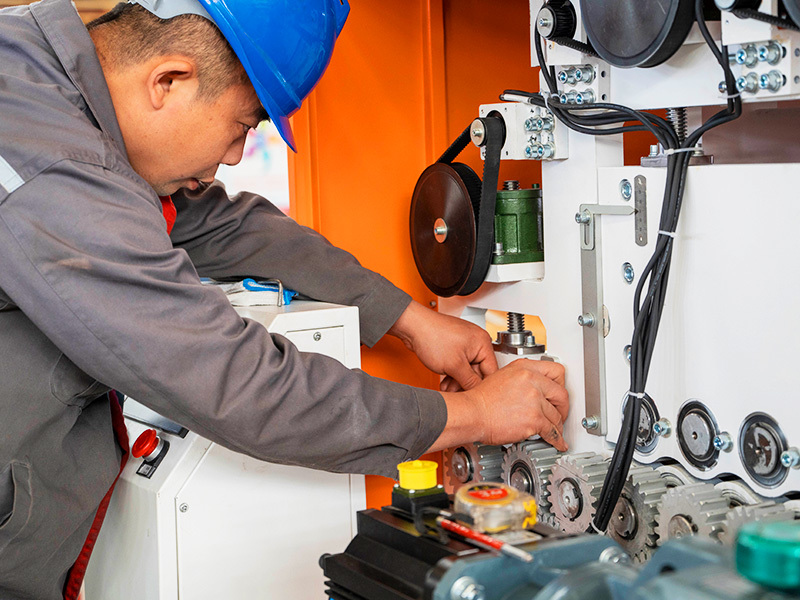
Guardrail roll forming machines are specialized equipment designed to produce guardrails used in road and highway safety applications. These machines utilize a process known as roll forming, which involves feeding a continuous strip of metal through a series of rollers. As the strip passes through, it is gradually shaped into the desired profile of a guardrail. This method is particularly advantageous for creating long lengths of uniform products with high precision.
One of the primary benefits of using guardrail roll forming machines is their efficiency. These machines can operate at high speeds, allowing for the mass production of guardrails without compromising on quality. The automated nature of these systems minimizes human error and enhances consistency, making them ideal for meeting the rigorous demands of safety standards in road construction and maintenance.
The materials commonly used with guardrail roll forming machines include galvanized steel, aluminum, and sometimes polymer composites. Galvanized steel is the most prevalent choice due to its durability and resistance to corrosion, which is critical for longevity in outdoor applications. The ability to work with various materials gives manufacturers the flexibility to meet specific project needs and adapt to changing market demands.
Moreover, guardrail roll forming machines can be customized to produce different guardrail designs and sizes. Manufacturers can adjust the machine settings to create various profiles, such as W-beam or thrie-beam guardrails, which are commonly used on highways. This versatility is a significant advantage, as it allows manufacturers to cater to a wide range of infrastructure projects while optimizing production efficiency.
In addition to their manufacturing capabilities, guardrail roll forming machines contribute to sustainability efforts within the industry. The roll forming process generates minimal waste compared to traditional metal fabrication methods, as the continuous strip of metal is utilized more effectively. Many manufacturers also prioritize using recycled materials in their production, further enhancing the eco-friendliness of the process.
In conclusion, guardrail roll forming machines play a crucial role in the manufacturing of safety barriers essential for road infrastructure. With their efficiency, flexibility, and environmental benefits, these machines are integral to meeting the growing demands for safe and reliable roadway solutions. Understanding the functionality and advantages of guardrail roll forming machines can provide valuable insights for those involved in the manufacturing and construction industries, highlighting their importance in ensuring road safety and infrastructure integrity.
One of the primary benefits of using guardrail roll forming machines is their efficiency. These machines can operate at high speeds, allowing for the mass production of guardrails without compromising on quality. The automated nature of these systems minimizes human error and enhances consistency, making them ideal for meeting the rigorous demands of safety standards in road construction and maintenance.
The materials commonly used with guardrail roll forming machines include galvanized steel, aluminum, and sometimes polymer composites. Galvanized steel is the most prevalent choice due to its durability and resistance to corrosion, which is critical for longevity in outdoor applications. The ability to work with various materials gives manufacturers the flexibility to meet specific project needs and adapt to changing market demands.
Moreover, guardrail roll forming machines can be customized to produce different guardrail designs and sizes. Manufacturers can adjust the machine settings to create various profiles, such as W-beam or thrie-beam guardrails, which are commonly used on highways. This versatility is a significant advantage, as it allows manufacturers to cater to a wide range of infrastructure projects while optimizing production efficiency.
In addition to their manufacturing capabilities, guardrail roll forming machines contribute to sustainability efforts within the industry. The roll forming process generates minimal waste compared to traditional metal fabrication methods, as the continuous strip of metal is utilized more effectively. Many manufacturers also prioritize using recycled materials in their production, further enhancing the eco-friendliness of the process.
In conclusion, guardrail roll forming machines play a crucial role in the manufacturing of safety barriers essential for road infrastructure. With their efficiency, flexibility, and environmental benefits, these machines are integral to meeting the growing demands for safe and reliable roadway solutions. Understanding the functionality and advantages of guardrail roll forming machines can provide valuable insights for those involved in the manufacturing and construction industries, highlighting their importance in ensuring road safety and infrastructure integrity.
Key words:
recommend News
Share
Cangzhou Forward Roll Forming Machinery Manufacturing
Telephone: +86 0317 8308862
Mobile: +86 187 3373 6699
E-mail:info@rollformingmills.com
Skype:james521520
Address: China Hebei Cangzhou Botou City 104 National Road East
Website QR Code

Business License