
-
 Become an influential brand in the world industry!
The company was established in 2008 and is located in Botou, Hebei, a famous casting city in China. -
Products
We continue to develop and create high quality but affordable products
The company is divided into two major factory areas in the north and south. -
Push forward without end
Products are widely used in industrial and civil buildings, such as factories, warehouses, gymnasiums, exhibition halls and other houses and walls. The company has a high starting point and an early start in the products of tile pressing forming and high-altitude tile pressing forming operation platform.
language
Maximizing Profitability: The Cost-Effectiveness of Steel Frame Roll Forming Machines in Manufacturing
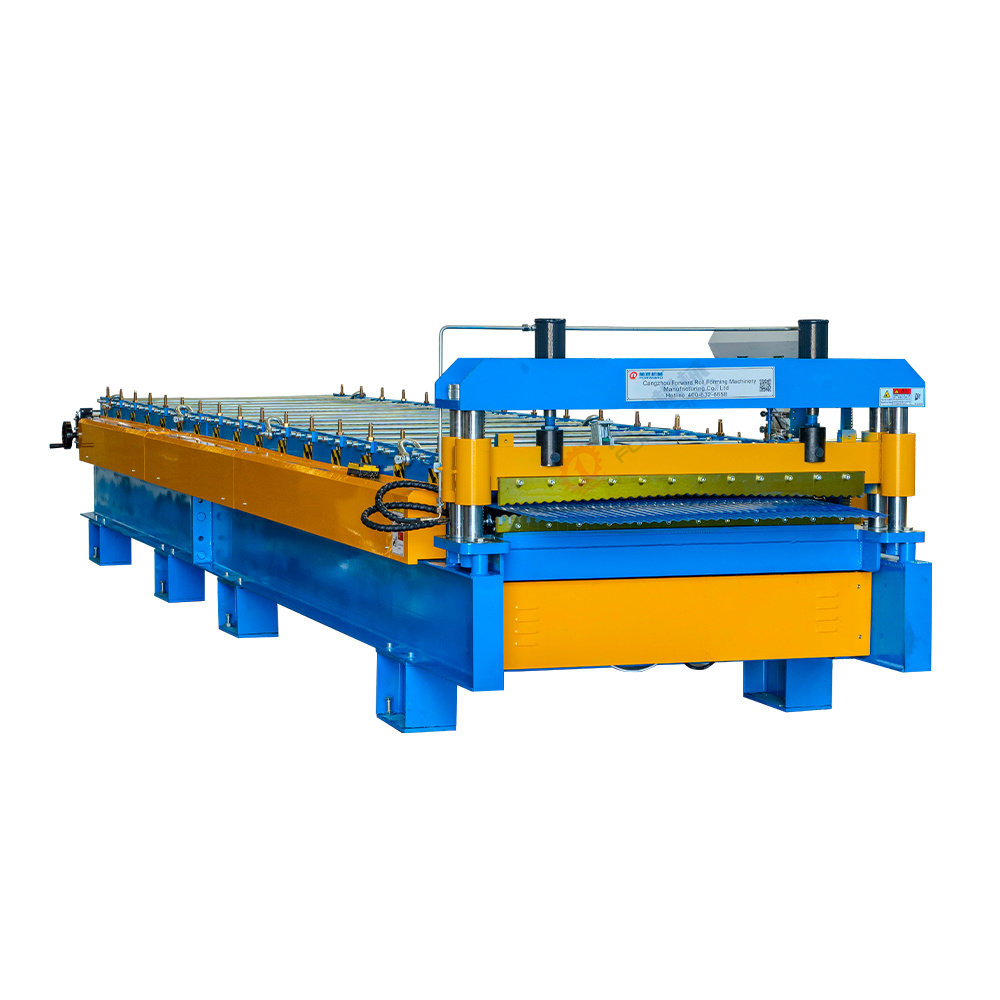
Maximizing Profitability: The Cost-Effectiveness of Steel Frame Roll Forming Machines in Manufacturing
Introduction to Steel Frame Roll Forming Machines
In today's competitive manufacturing landscape, businesses are constantly seeking ways to optimize production processes while minimizing costs. One significant advancement in this realm is the **steel frame roll forming machine**. These machines are designed to efficiently produce steel frames used in various applications, including construction and industrial projects. This article explores the **cost-effectiveness** of utilizing these machines, covering their benefits, applications, and overall impact on manufacturing operations.
Understanding Roll Forming Technology
Roll forming is a process that involves feeding a continuous strip of metal through a series of rollers to create a desired cross-sectional profile. By gradually shaping the metal without cutting, the roll forming process is particularly efficient for producing long lengths of uniform product. This method is especially valuable for manufacturers looking to streamline their operations.
Key Components of Steel Frame Roll Forming Machines
To appreciate the cost-effectiveness of these machines, it is important to understand their core components, including:
- Roller Stations: These stations shape the metal as it moves through the machine, allowing for precise profiling.
- Feed Mechanism: This component ensures the continuous feeding of metal strips into the machine for uninterrupted production.
- Cutting System: After roll forming, the product is cut to the desired length, ensuring efficiency and accuracy.
- Control System: Modern machines feature advanced software that allows for real-time monitoring and adjustments to optimize production.
The Economic Benefits of Using Steel Frame Roll Forming Machines
Investing in steel frame roll forming technology can yield substantial economic benefits for manufacturing firms. Here, we break down the numerous aspects contributing to their cost-effectiveness.
1. Reduced Material Waste
One of the primary advantages of roll forming machines is their ability to minimize material waste. The process ensures that metal strips are used efficiently, significantly reducing scrap material compared to traditional methods. This not only lowers raw material costs but also enhances sustainability efforts within the manufacturing sector.
2. Increased Production Speed
Steel frame roll forming machines operate at high speeds, allowing manufacturers to produce large quantities of products in a shorter timeframe. This efficiency translates into higher output rates and lower labor costs per unit. By decreasing production time, businesses can respond promptly to market demands and increase their overall profitability.
3. Lower Labor Costs
Automating the roll forming process reduces the need for manual labor, leading to significant savings in labor costs. With less reliance on skilled labor, manufacturers can allocate their workforce more effectively, focusing on areas that require human expertise while allowing machines to handle repetitive tasks.
4. Durability and Longevity of Products
Products created using steel frame roll forming machines tend to be more durable than those produced through other methods. The uniformity and precision of roll forming contribute to the strength and longevity of the final product, resulting in lower maintenance costs and fewer replacements over time.
5. Versatility and Customization
Steel frame roll forming machines offer incredible versatility, allowing manufacturers to create a wide range of profiles and designs tailored to specific applications. This flexibility enables businesses to diversify their product offerings without significant capital investment in new machinery.
Applications of Steel Frame Roll Forming Machines
The use of steel frame roll forming machines spans numerous industries, emphasizing their versatility and cost-effectiveness. Key applications include:
1. Construction Industry
Steel frame systems are widely utilized in the construction industry for various applications, including commercial and residential buildings. The durability and strength of roll-formed steel frames make them ideal for supporting structures, walls, and roofing systems.
2. Automotive Manufacturing
In automotive manufacturing, roll forming is utilized to produce components such as chassis and structural parts. The precision of roll forming ensures that critical components meet stringent safety and performance standards.
3. HVAC Systems
The heating, ventilation, and air conditioning (HVAC) industry employs roll forming technology to create ductwork and other components. The efficiency and customization capabilities of steel frame roll forming machines make it easy to meet the specific needs of HVAC applications.
4. Agriculture Equipment
Agricultural machinery often requires robust components capable of withstanding harsh conditions. Roll-formed steel frames provide the necessary strength and durability for various agricultural applications.
Long-Term Financial Impact of Roll Forming Machines
Investing in steel frame roll forming machinery can lead to substantial long-term financial benefits. By analyzing the total cost of ownership, manufacturers can better understand the return on investment (ROI) associated with these machines.
1. Initial Investment vs. Long-Term Savings
While the initial investment in roll forming technology may be considerable, the long-term savings associated with reduced waste, lower labor costs, and increased production efficiency can quickly offset these costs. Manufacturers should conduct a thorough cost-benefit analysis to determine the potential ROI.
2. Maintenance and Operational Costs
Steel frame roll forming machines are designed for durability and require minimal maintenance. This reliability contributes to lower operational costs over the machine's lifespan, ensuring that manufacturers can maintain profitability.
Frequently Asked Questions (FAQs)
1. What are the primary benefits of using steel frame roll forming machines?
The main benefits include reduced material waste, increased production speed, lower labor costs, durable products, and versatility in applications.
2. How does roll forming compare to traditional metal forming methods?
Roll forming is more efficient than traditional methods as it minimizes waste and allows for continuous production of long lengths, ensuring faster turnaround times.
3. Can steel frame roll forming machines be customized for specific applications?
Yes, these machines can be tailored to meet the specific needs of various industries, enabling manufacturers to produce a wide range of profiles and designs.
4. What industries benefit the most from roll forming technology?
Industries such as construction, automotive manufacturing, HVAC, and agriculture greatly benefit from the versatility and cost-effectiveness of steel frame roll forming machines.
5. How can I determine the ROI of investing in a roll forming machine?
To assess ROI, manufacturers should analyze initial investment costs, potential savings from reduced material waste and labor, and increased production efficiency over time.
Conclusion
The cost-effectiveness of using steel frame roll forming machines cannot be understated. By optimizing production processes, minimizing material waste, and reducing labor costs, these machines offer significant economic advantages for manufacturers in various industries. As the demand for durable and efficient construction materials continues to grow, investing in roll forming technology presents a strategic opportunity for businesses seeking to enhance their profitability and market competitiveness. Embracing this innovative manufacturing solution will not only streamline operations but also position companies for long-term success in an ever-evolving industry landscape.
Key words:
recommend News
Share
Cangzhou Forward Roll Forming Machinery Manufacturing
Telephone: +86 0317 8308862
Mobile: +86 187 3373 6699
E-mail:info@rollformingmills.com
Skype:james521520
Address: China Hebei Cangzhou Botou City 104 National Road East
Website QR Code

Business License