
-
 Become an influential brand in the world industry!
The company was established in 2008 and is located in Botou, Hebei, a famous casting city in China. -
Products
We continue to develop and create high quality but affordable products
The company is divided into two major factory areas in the north and south. -
Push forward without end
Products are widely used in industrial and civil buildings, such as factories, warehouses, gymnasiums, exhibition halls and other houses and walls. The company has a high starting point and an early start in the products of tile pressing forming and high-altitude tile pressing forming operation platform.
language
Understanding Guardrail Roll Forming Machines: Efficiency in Safety Barrier Production
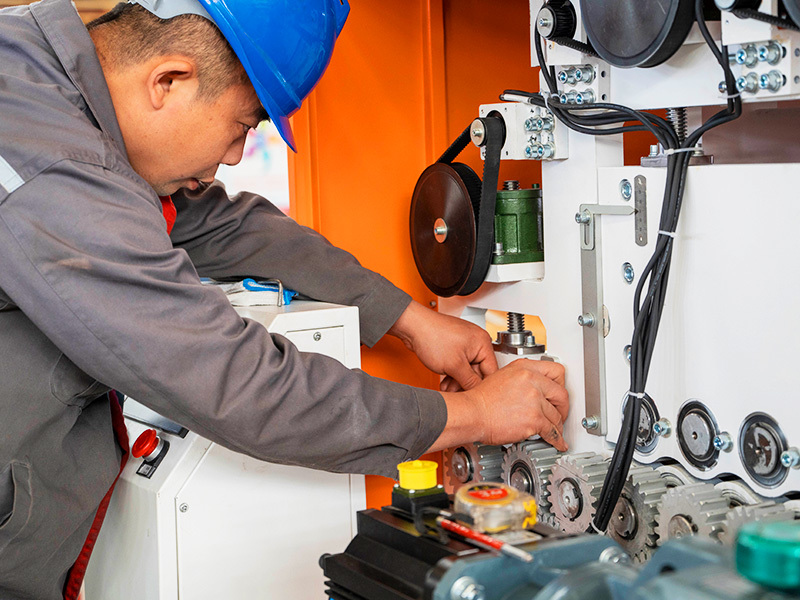
In the realm of manufacturing and processing machinery, the guardrail roll forming machine stands out as a vital tool for producing safety barriers that protect motorists and pedestrians alike. These machines facilitate the efficient creation of guardrails, which are crucial for mitigating accidents and improving road safety standards. Understanding the mechanics and advantages of guardrail roll forming machines can greatly benefit professionals in the manufacturing sector.
A guardrail roll forming machine is designed to shape flat metal sheets into the necessary profiles for guardrails. The process begins with the feeding of raw material, commonly steel or aluminum, into the machine. As the material passes through various rollers, it is progressively molded into the desired shape. This continuous operation allows for high production speeds, which is essential for meeting demand in the construction and infrastructure sectors.
One of the key benefits of these machines is their adaptability. Many guardrail roll forming machines can be customized to produce different sizes and shapes of guardrails, catering to specific project requirements. This versatility allows manufacturers to respond swiftly to changing market demands and unique client specifications. Furthermore, the precision engineering of these machines ensures that the produced guardrails meet strict safety standards, which is paramount in road construction.
Operational efficiency is another hallmark of guardrail roll forming machines. With automated systems for feeding, shaping, and cutting, these machines reduce labor costs and minimize the potential for human error. Increased automation means that manufacturers can scale up production while maintaining high-quality output. Moreover, modern machines often incorporate advanced technology, such as computer numerical control (CNC), to enhance accuracy and streamline operations.
Maintenance is also a crucial aspect to consider when utilizing guardrail roll forming machines. Regular upkeep is necessary to ensure that the machinery operates smoothly and efficiently. Manufacturers should implement a routine maintenance schedule, which includes lubrication, inspection of components, and timely repairs, to prolong the lifespan of the equipment and maintain consistent production levels.
In summary, guardrail roll forming machines play a significant role in the manufacturing of safety barriers. Their efficiency, adaptability, and precision make them indispensable in ensuring that road safety measures are met. By investing in these machines, manufacturers can enhance their production capabilities while contributing to greater safety on the roads. Embracing the technology and best practices associated with guardrail roll forming machines is a proactive step towards improving both operational output and road safety standards.
A guardrail roll forming machine is designed to shape flat metal sheets into the necessary profiles for guardrails. The process begins with the feeding of raw material, commonly steel or aluminum, into the machine. As the material passes through various rollers, it is progressively molded into the desired shape. This continuous operation allows for high production speeds, which is essential for meeting demand in the construction and infrastructure sectors.
One of the key benefits of these machines is their adaptability. Many guardrail roll forming machines can be customized to produce different sizes and shapes of guardrails, catering to specific project requirements. This versatility allows manufacturers to respond swiftly to changing market demands and unique client specifications. Furthermore, the precision engineering of these machines ensures that the produced guardrails meet strict safety standards, which is paramount in road construction.
Operational efficiency is another hallmark of guardrail roll forming machines. With automated systems for feeding, shaping, and cutting, these machines reduce labor costs and minimize the potential for human error. Increased automation means that manufacturers can scale up production while maintaining high-quality output. Moreover, modern machines often incorporate advanced technology, such as computer numerical control (CNC), to enhance accuracy and streamline operations.
Maintenance is also a crucial aspect to consider when utilizing guardrail roll forming machines. Regular upkeep is necessary to ensure that the machinery operates smoothly and efficiently. Manufacturers should implement a routine maintenance schedule, which includes lubrication, inspection of components, and timely repairs, to prolong the lifespan of the equipment and maintain consistent production levels.
In summary, guardrail roll forming machines play a significant role in the manufacturing of safety barriers. Their efficiency, adaptability, and precision make them indispensable in ensuring that road safety measures are met. By investing in these machines, manufacturers can enhance their production capabilities while contributing to greater safety on the roads. Embracing the technology and best practices associated with guardrail roll forming machines is a proactive step towards improving both operational output and road safety standards.
Key words:
recommend News
Share
Cangzhou Forward Roll Forming Machinery Manufacturing
Telephone: +86 0317 8308862
Mobile: +86 187 3373 6699
E-mail:info@rollformingmills.com
Skype:james521520
Address: China Hebei Cangzhou Botou City 104 National Road East
Website QR Code

Business License