-
 Become an influential brand in the world industry!
The company was established in 2008 and is located in Botou, Hebei, a famous casting city in China. -
Products
We continue to develop and create high quality but affordable products
The company is divided into two major factory areas in the north and south. -
Push forward without end
Products are widely used in industrial and civil buildings, such as factories, warehouses, gymnasiums, exhibition halls and other houses and walls. The company has a high starting point and an early start in the products of tile pressing forming and high-altitude tile pressing forming operation platform.
Roll Forming Line Machines: An In-Depth Guide for New Users
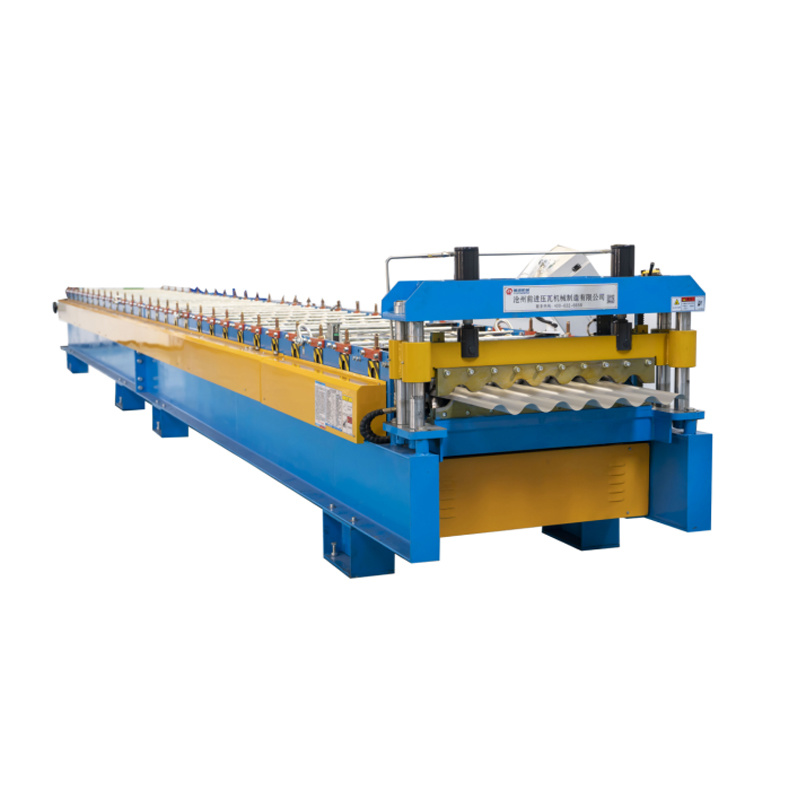
Roll Forming Line Machines: A Comprehensive Guide for New Users
Table of Contents
- 1. Introduction to Roll Forming Line Machines
- 2. What is Roll Forming?
- 3. Key Components of Roll Forming Line Machines
- 4. Types of Roll Forming Line Machines
- 5. Applications of Roll Forming Line Machines
- 6. Advantages of Using Roll Forming Technology
- 7. How to Select the Right Roll Forming Machine
- 8. Best Practices for Operating Roll Forming Machines
- 9. Maintenance and Troubleshooting Tips
- 10. Frequently Asked Questions
- 11. Conclusion
1. Introduction to Roll Forming Line Machines
Roll forming line machines are pivotal in the manufacturing sector, particularly for producing metal components with consistent cross-sections. **These machines are renowned for their efficiency and versatility**, enabling the mass production of various profiles and shapes used in multiple industries. This guide aims to provide new users with a thorough understanding of roll forming technology, its components, operations, and best practices.
2. What is Roll Forming?
Roll forming is a **continuous bending process** in which a long strip of metal is passed through successive pairs of rolls to achieve the desired cross-sectional profile. The process is widely used for creating lightweight, durable, and complex shapes efficiently. Unlike traditional methods that may involve cutting and welding, roll forming allows for the production of long lengths of material in a single pass, ensuring minimal waste and high precision.
3. Key Components of Roll Forming Line Machines
To gain a better understanding of roll forming line machines, it's essential to familiarize ourselves with their key components:
3.1. Material Feed System
The **material feed system** is responsible for guiding the metal strip into the machine. It ensures a steady supply of material for continuous processing.
3.2. Roll Stands
**Roll stands** contain multiple pairs of rolls that progressively shape the metal strip. The number of stands varies depending on the complexity of the profile being produced.
3.3. Cutting Mechanism
The **cutting mechanism** is utilized for trimming or cutting the rolled material to the desired lengths. It can be either mechanical or hydraulic.
3.4. Control System
Modern roll forming machines are equipped with advanced **control systems** that regulate speed, temperature, and other parameters to optimize the manufacturing process.
3.5. Exit Table
The **exit table** is designed to receive the finished products and facilitate easy handling and packaging.
4. Types of Roll Forming Line Machines
Roll forming machines can be classified into several types based on their design and application:
4.1. Traditional Roll Forming Machines
These machines use a series of rolls configured to create a specific shape. They are suitable for straightforward profiles and high-volume production.
4.2. High-Speed Roll Forming Machines
Designed for rapid production, high-speed roll forming machines can operate at significantly faster rates. They are ideal for creating standard profiles efficiently.
4.3. Custom Roll Forming Machines
For specialized applications, **custom roll forming machines** can be built to produce unique shapes and profiles tailored to specific requirements.
4.4. Servo Motor Roll Forming Machines
These machines utilize servo motors for enhanced precision and speed control, making them suitable for high-accuracy applications.
5. Applications of Roll Forming Line Machines
Roll forming line machines find applications across various industries, including:
5.1. Construction
In the construction sector, roll forming is used to create metal framing, roofing panels, and structural components.
5.2. Automotive
Automotive manufacturers utilize roll forming for producing components such as chassis parts, braces, and reinforcements.
5.3. HVAC
In heating, ventilation, and air conditioning (HVAC) systems, roll-formed parts are crucial for ductwork and fittings.
5.4. Furniture and Fixtures
The furniture industry leverages roll forming technology for creating metal frames, supports, and decorative elements.
5.5. Electrical Enclosures
Roll forming is employed in the production of electrical enclosures, providing robust and lightweight housing solutions.
6. Advantages of Using Roll Forming Technology
The roll forming process offers numerous advantages:
6.1. Cost Efficiency
Roll forming is highly efficient, leading to reduced material waste and lower production costs, especially for high-volume runs.
6.2. Consistency and Precision
The continuous process ensures uniformity in dimensions and shapes, delivering high-quality products consistently.
6.3. Versatility
Roll forming can produce a wide range of shapes and profiles, accommodating various industry needs.
6.4. Minimal Labor Requirements
Automation in roll forming machines reduces the necessity for manual labor, lowering operational costs and improving safety.
7. How to Select the Right Roll Forming Machine
Selecting the appropriate roll forming machine involves several considerations:
7.1. Assessing Production Needs
Evaluate the volume and type of profiles you intend to produce. Understanding your production requirements will guide your machine selection.
7.2. Material Compatibility
Ensure that the machine is compatible with the materials you plan to use, taking into account thickness, hardness, and other properties.
7.3. Customization Options
For specialized profiles, choose machines that offer customization options to meet specific design requirements.
7.4. Budget Considerations
Establish a budget for your investment, weighing initial costs against long-term operational savings.
7.5. Manufacturer Reputation
Research potential manufacturers and their machines, focusing on reliability, support, and customer reviews.
8. Best Practices for Operating Roll Forming Machines
To maximize the efficiency of roll forming machines, adhere to the following best practices:
8.1. Regular Training
Ensure that operators receive regular training on machine operation, safety protocols, and troubleshooting techniques.
8.2. Optimize Material Handling
Implement efficient material handling procedures to reduce downtime and maintain a continuous workflow.
8.3. Monitor Machine Performance
Keep track of machine performance metrics to identify areas for improvement and address potential issues proactively.
8.4. Establish Quality Control Procedures
Incorporate quality control measures to evaluate finished products, ensuring compliance with industry standards and specifications.
8.5. Maintain a Clean Workspace
A clean and organized workspace contributes to operational safety and efficiency, reducing the risk of accidents and machine malfunctions.
9. Maintenance and Troubleshooting Tips
Regular maintenance is crucial for ensuring the longevity and efficiency of roll forming machines:
9.1. Scheduled Maintenance
Establish a maintenance schedule that includes routine inspections, lubrication, and part replacements to prevent breakdowns.
9.2. Troubleshooting Common Issues
Familiarize yourself with common issues such as misalignment, unusual noises, and material jams. Promptly address these problems to minimize downtime.
9.3. Keeping Spare Parts
Maintain an inventory of essential spare parts to facilitate quick repairs and minimize production interruptions.
9.4. Utilize Expert Support
Engage with experienced technicians or manufacturers for support in troubleshooting and maintenance best practices.
10. Frequently Asked Questions
10.1. What materials can be processed with roll forming machines?
Roll forming machines can process a variety of materials, including steel, aluminum, and sometimes plastics, depending on the application.
10.2. How fast can a roll forming machine operate?
The speed of roll forming machines varies, but many can operate between 10 to 50 feet per minute, depending on the profile complexity.
10.3. What are the typical sizes of roll forming machines?
Roll forming machines come in various sizes, usually tailored to the application. Standard widths range from 12 to 24 inches, though custom widths are common.
10.4. How do I know if roll forming is suitable for my project?
Evaluate your project’s requirements for material type, production volume, and profile complexity. Consulting with industry experts can provide clarity.
10.5. What is the lifespan of a roll forming machine?
With proper maintenance and care, roll forming machines can have a lifespan of 10-20 years or more, depending on usage and operating conditions.
11. Conclusion
Roll forming line machines represent a crucial technology in modern manufacturing, offering efficiency, precision, and versatility in producing various metal components. By understanding the operational principles, selecting the right machine, and adhering to best practices, new users can harness the full potential of roll forming technology. This guide serves as a foundational resource for anyone looking to navigate the complexities of roll forming, ensuring a successful integration into your manufacturing processes. Embrace the power of roll forming and elevate your production capabilities today.
recommend News
Share
Cangzhou Forward Roll Forming Machinery Manufacturing
Telephone: +86 0317 8308862
Mobile: +86 187 3373 6699
E-mail:info@rollformingmills.com
Skype:james521520
Address: China Hebei Cangzhou Botou City 104 National Road East
Website QR Code