-
 Become an influential brand in the world industry!
The company was established in 2008 and is located in Botou, Hebei, a famous casting city in China. -
Products
We continue to develop and create high quality but affordable products
The company is divided into two major factory areas in the north and south. -
Push forward without end
Products are widely used in industrial and civil buildings, such as factories, warehouses, gymnasiums, exhibition halls and other houses and walls. The company has a high starting point and an early start in the products of tile pressing forming and high-altitude tile pressing forming operation platform.
Understanding Roll Forming Line Machines: A Comprehensive Guide
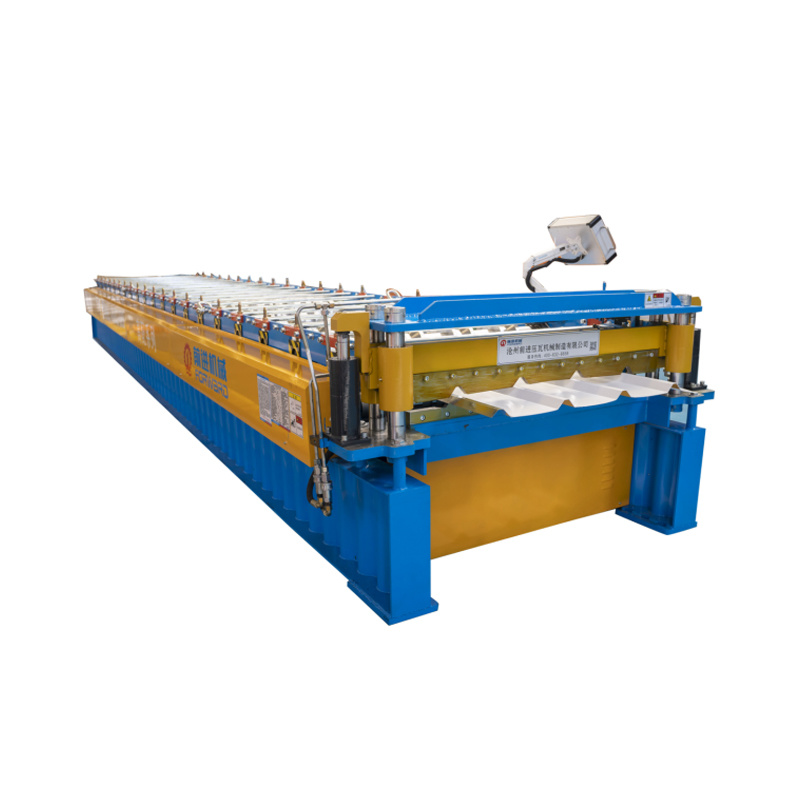
Roll forming line machines are essential tools in the manufacturing sector, particularly in the processing of sheet metal. These machines are designed to convert flat metal sheets into specific shapes through a continuous bending process. The operation of a roll forming line involves passing metal sheets through a series of roll stations, each crafted to progressively shape the material into the desired profile. This method is not only efficient but also allows for high-volume production with consistent quality.
One of the primary advantages of using roll forming line machines is their ability to produce complex shapes with precision. They are commonly used in industries such as construction, automotive, and appliance manufacturing. For example, roll-formed products like metal roofing, studs, and tracks are critical components in building structures. The process also minimizes material waste, as it uses materials in their most optimal form and often allows for the recycling of offcuts.
The versatility of roll forming line machines is another significant benefit. These machines can be customized to create a wide variety of profiles, ranging from simple shapes to more intricate designs. This adaptability makes them suitable for various applications, from producing lightweight components to creating heavy-duty structural elements. Furthermore, advancements in technology have led to the incorporation of automated systems, enhancing efficiency and reducing labor costs.
In addition to efficiency and versatility, roll forming line machines offer excellent repeatability. Once the machine is set up for a specific profile, it can produce thousands of identical parts with minimal variation. This consistency is crucial for industries where precision is paramount, such as aerospace and automotive manufacturing.
Another important aspect of roll forming line machines is their energy efficiency. Compared to other manufacturing processes, roll forming typically consumes less energy, making it an environmentally friendly option. The equipment is designed to minimize energy consumption while maximizing output, aligning with the growing demand for sustainable manufacturing practices.
In conclusion, roll forming line machines play a pivotal role in modern manufacturing. Their ability to produce high-quality, consistent, and complex shapes efficiently makes them an invaluable asset in various industries. Understanding the technology behind these machines can help businesses optimize their manufacturing processes and improve product quality, ensuring they remain competitive in a rapidly evolving marketplace. Whether you are considering implementing a roll forming line in your operations or simply wish to enhance your knowledge of the manufacturing landscape, recognizing the significance of these machines is essential.
recommend News
Share
Cangzhou Forward Roll Forming Machinery Manufacturing
Telephone: +86 0317 8308862
Mobile: +86 187 3373 6699
E-mail:info@rollformingmills.com
Skype:james521520
Address: China Hebei Cangzhou Botou City 104 National Road East
Website QR Code