-
 Become an influential brand in the world industry!
The company was established in 2008 and is located in Botou, Hebei, a famous casting city in China. -
Products
We continue to develop and create high quality but affordable products
The company is divided into two major factory areas in the north and south. -
Push forward without end
Products are widely used in industrial and civil buildings, such as factories, warehouses, gymnasiums, exhibition halls and other houses and walls. The company has a high starting point and an early start in the products of tile pressing forming and high-altitude tile pressing forming operation platform.
How Roll Forming Line Machines Can Significantly Reduce Waste in Production
How Roll Forming Line Machines Can Significantly Reduce Waste in Production
Table of Contents
1. Introduction to Roll Forming Line Machines
2. The Importance of Waste Reduction in Manufacturing
3. Understanding the Roll Forming Process
3.1 How Roll Forming Works
3.2 Key Components of a Roll Forming Line
4. Advantages of Using Roll Forming Line Machines
4.1 Enhanced Material Efficiency
4.2 Versatility in Product Design
4.3 Increased Production Speed
5. Case Studies: Waste Reduction through Roll Forming
6. Future Trends in Roll Forming Technology
7. Frequently Asked Questions (FAQs)
8. Conclusion
1. Introduction to Roll Forming Line Machines
Roll forming line machines are advanced manufacturing tools designed to produce metal components with remarkable precision and efficiency. By continuously bending metal sheets into desired shapes, these machines streamline the production process while minimizing excess material usage. With growing concerns about environmental sustainability and operational costs, the role of roll forming line machines in reducing waste has become increasingly critical.
2. The Importance of Waste Reduction in Manufacturing
Waste reduction in manufacturing is not merely a trend; it is a necessity. As industries strive for sustainability, minimizing waste becomes paramount not only for ecological reasons but also for economic viability. Efficient waste management leads to lower costs, improved resource utilization, and enhanced brand reputation. Roll forming line machines play a pivotal role in achieving these goals.
3. Understanding the Roll Forming Process
To appreciate how roll forming machines reduce waste, it is essential to understand the intricacies of the roll forming process itself.
3.1 How Roll Forming Works
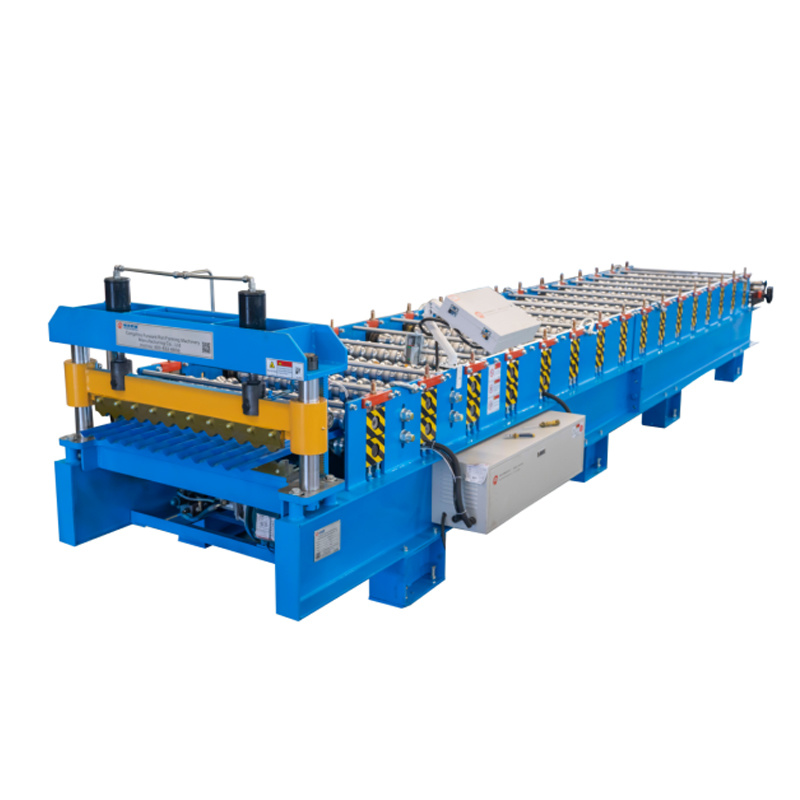
The roll forming process involves feeding a continuous strip of metal through a series of rollers. Each roller incrementally shapes the material into a predetermined profile. This continuous process minimizes waste compared to traditional methods, where excess material is often cut away.
3.2 Key Components of a Roll Forming Line
A typical roll forming line consists of several key components:
- **Feeder**: Introduces the raw material into the line.
- **Rollers**: A series of rollers that shape the metal progressively.
- **Cut-off Mechanism**: Cuts the finished product to specified lengths.
- **Control System**: Monitors and adjusts the process for optimal performance.
4. Advantages of Using Roll Forming Line Machines
The advantages of roll forming line machines extend beyond mere efficiency; they encompass various aspects of production that contribute to waste reduction.
4.1 Enhanced Material Efficiency
One of the primary benefits of roll forming is its material efficiency. By utilizing a continuous strip of metal, manufacturers can achieve tighter tolerances and reduce scrap rates significantly. Unlike other processes that involve cutting and shaping, roll forming minimizes the amount of leftover material.
4.2 Versatility in Product Design
Roll forming machines are capable of producing complex shapes and profiles, which allows manufacturers to create customized products without the need for excessive material. This versatility not only caters to varied customer needs but also reduces the necessity for additional components.
4.3 Increased Production Speed
Roll forming lines operate at high speeds, which enhances overall productivity. The rapid production rates coupled with minimal waste mean that companies can produce a larger quantity of products in less time, resulting in significant cost savings.
5. Case Studies: Waste Reduction through Roll Forming
Examining real-world applications can provide valuable insights into the effectiveness of roll forming line machines in waste reduction.
- **Case Study 1: Automotive Industry**
In the automotive sector, a manufacturer switched from traditional stamping to roll forming for producing chassis components. This transition resulted in a 30% reduction in material waste and a significant decrease in production costs.
- **Case Study 2: Construction Materials**
A company specializing in steel frames for buildings adopted roll forming technology. The outcome was remarkable, with a 40% decrease in scrap material and enhanced design flexibility, allowing for quicker turnarounds.
6. Future Trends in Roll Forming Technology
The future of roll forming technology is exciting, with advancements geared toward further enhancing efficiency and sustainability. Innovations such as automation, AI integration for process optimization, and eco-friendly materials are expected to play a crucial role in the evolution of roll forming lines.
7. Frequently Asked Questions (FAQs)
What materials can be used in roll forming machines?
Roll forming machines can handle a variety of materials, including steel, aluminum, and copper. The choice of material often depends on the specific application and desired properties.
How does roll forming compare to other manufacturing processes?
Unlike processes such as stamping or machining, roll forming is more efficient in terms of material usage and production speed. It is particularly advantageous for producing long, continuous shapes with minimal waste.
Can roll forming line machines produce custom shapes?
Yes, one of the significant advantages of roll forming is its flexibility in producing custom shapes and profiles tailored to specific customer requirements.
What industries benefit from roll forming technology?
Industries such as automotive, construction, HVAC, and aerospace significantly benefit from roll forming technology due to its efficiency and versatility.
How can companies implement roll forming technology?
Companies interested in implementing roll forming technology should assess their production needs, consider the types of products they wish to manufacture, and invest in suitable machinery and training.
8. Conclusion
In conclusion, roll forming line machines represent a transformative technology in the manufacturing sector, particularly when it comes to waste reduction. By adopting these machines, companies can enhance material efficiency, increase production speeds, and produce customized products while minimizing environmental impact. As the industry continues to evolve, embracing roll forming technology is not just a smart business choice but also a step toward a more sustainable future.
recommend News
Share
Cangzhou Forward Roll Forming Machinery Manufacturing
Telephone: +86 0317 8308862
Mobile: +86 187 3373 6699
E-mail:info@rollformingmills.com
Skype:james521520
Address: China Hebei Cangzhou Botou City 104 National Road East
Website QR Code