-
 Become an influential brand in the world industry!
The company was established in 2008 and is located in Botou, Hebei, a famous casting city in China. -
Products
We continue to develop and create high quality but affordable products
The company is divided into two major factory areas in the north and south. -
Push forward without end
Products are widely used in industrial and civil buildings, such as factories, warehouses, gymnasiums, exhibition halls and other houses and walls. The company has a high starting point and an early start in the products of tile pressing forming and high-altitude tile pressing forming operation platform.
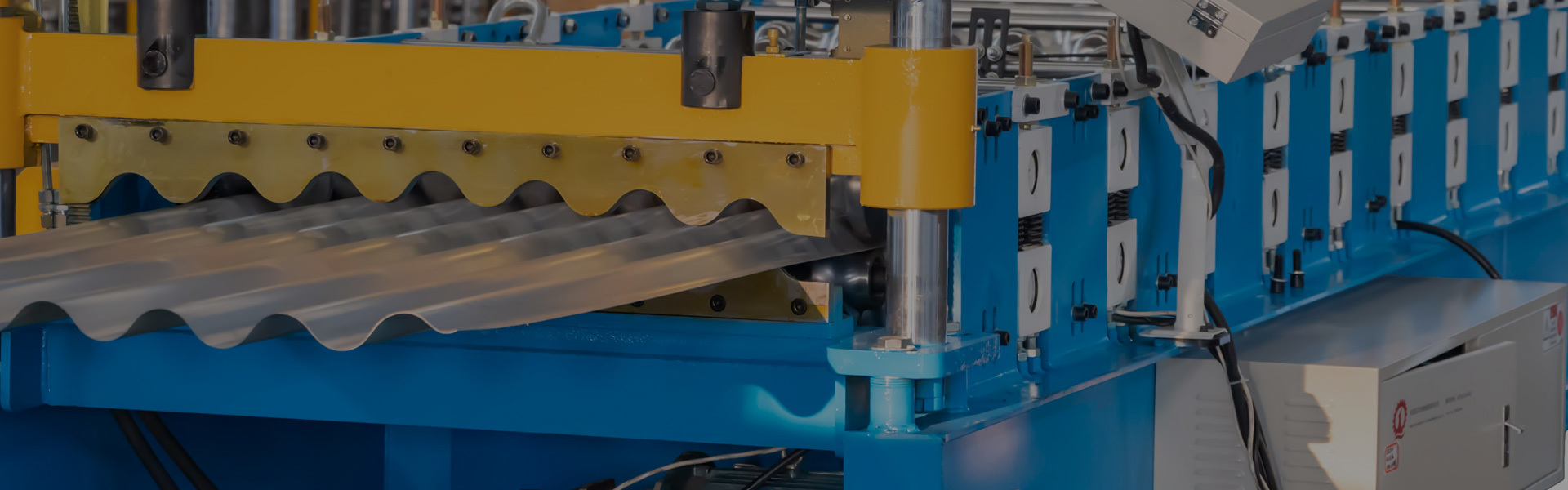
Western Sahara LW152-152-305 cold roll forming machine china
Category:
Product Description
In the realm of manufacturing, precision and efficiency are paramount. One technology that encapsulates these principles is the cold roll forming machine. This article delves into the intricacies of the cold roll forming machine, exploring its working principle, applications, advantages, and why it remains a preferred choice in various industries.
The Working Principle of Cold Roll Forming Machines
Cold roll forming, also known as roll bending or profile rolling, is a manufacturing process where metal strips or sheets are passed through a series of rollers to form a specific shape without applying heat. The cold roll forming machine achieves this by gradually bending the material around a predetermined axis, usually under high pressure. This process ensures that the material maintains its structural integrity and dimensional accuracy, making it ideal for producing parts with tight tolerances.
Applications of Cold Roll Forming Machines
The versatility of cold roll forming machines finds applications in a wide array of industries. From automotive and aerospace to construction and electronics, these machines are instrumental in producing components such as beams, pipes, angles, channels, and even intricate profiles for specialized applications. Their ability to work with various materials, including stainless steel, aluminum, and copper, further broadens their scope of use.
Advantages of Cold Roll Forming
1.Precision and Accuracy: Cold roll forming machines are renowned for their ability to produce parts with high precision and tight tolerances. This level of accuracy is crucial in industries where even the slightest deviation can affect the functionality or safety of the final product.
2.Material Strength: Since the process does not involve heating, the material's mechanical properties remain intact. This results in stronger, more durable components compared to those produced through hot rolling processes.
3.Cost-Effectiveness: Cold roll forming is a cost-effective method, especially for high-volume production. The process minimizes material waste and reduces the need for extensive finishing operations, thereby lowering overall production costs.
4.Versatility: The adaptability of cold roll forming machines to produce a wide range of shapes and sizes makes them a versatile choice for manufacturers with diverse production requirements.
5.Environmental Considerations: Cold roll forming is generally considered more environmentally friendly than hot rolling processes, as it consumes less energy and produces fewer emissions.
Why Cold Roll Forming Machines Remain Preferred
Despite the advent of new manufacturing technologies, cold roll forming machines continue to hold a prominent position in the manufacturing sector. Their ability to combine precision, efficiency, and cost-effectiveness makes them an indispensable tool for producing high-quality metal components. Moreover, advancements in automation and control systems have further enhanced their capabilities, enabling manufacturers to achieve even greater levels of productivity and customization.
In conclusion, the cold roll forming machine stands as a testament to the harmonious blend of traditional manufacturing wisdom and modern technological advancements. Its ability to deliver precision-engineered components while maintaining material strength and cost-efficiency underscores its enduring relevance in today's manufacturing landscape. As industries continue to evolve, the cold roll forming machine will remain a cornerstone in the production of intricate and high-performance metal parts.
Cangzhou Forward Roll Forming Machinery Manufacturing
Telephone: +86 0317 8308862
Mobile: +86 187 3373 6699
E-mail:info@rollformingmills.com
Skype:james521520
Address: China Hebei Cangzhou Botou City 104 National Road East
Website QR Code